First aired November 16, 2025
A gentle note before you dive in: this conversation touches on addiction and loss of a spouse. It’s okay to pause, skip ahead, or come back to this one another time.
Dr. Cali Estes was sitting on her floor eating cake with her hands, crying, with cake on the wall and cake on the dog, when her roommate walked in and said, “That’s not normal.” Cali’s response: “What’s not normal? This is what we do.” She was 23, wanted to be an FBI agent, and had no idea she was already deep in a food addiction that a college counselor would later wave off (“you’re not bulimic, you’re not anorexic, so you’re just fat”) and a doctor would try to fix with a diet pill that was, at the time, still legal.
That diet pill (Fen-Phen, later pulled from the market for killing people) sent her looking for something stronger, and it took two ER visits and one doctor blunt enough to drop an F-bomb before she found her way to a yoga mat instead of a meeting room. Cali is now an addictions coach who’s built her career on the idea that recovery isn’t one-size-fits-all: the traditional meeting model works for some people and leaves plenty of others, like her, feeling worse instead of better. She’s the founder of Sober On Demand and the Addictions Academy, a five-times #1 bestselling author, and a regular voice on CNN, Forbes, and more.
We get into her simple two-week test for telling casual use from addiction, the exact boundary she draws with parents who keep rescuing an addicted adult child, and why she believes loving someone sometimes means refusing to be the one who saves them.
Watch this episode
In this episode
- Dr. Cali’s simple two-week test for telling casual use from addiction
- Why the traditional 12-step meeting model works for some people, and made her own addiction worse
- How a hot yoga class, not a treatment center, became the turning point in her own recovery
- The difference between therapy and coaching, and why she made the shift to coaching in 2012
- Her “brain dump” exercise for clearing ruminating thoughts before they spiral
- The boundary she tells parents to hold when an adult child’s addiction keeps putting everyone in danger
Timestamps
- (00:01) Welcome and intro: meet addictions coach Dr. Cali Estes
- (01:24) Wanting to be an FBI agent, and the night that led to a cake-eating breakdown on the floor
- (02:52) “You’re just fat”: a counselor’s dismissal, and the diet pill that made things worse
- (04:26) Trying NA and OA, and why the snack table almost pulled her back into using
- (04:55) The addiction class where she scored “20 out of 20” on her professor’s checklist
- (05:55) No health insurance, no rehab: how a friend dragged her to hot yoga instead
- (07:24) Ten sun salutations before you open the fridge: the practice that started to work
- (08:23) What she saw working in treatment centers, and why she quit on the spot
- (10:32) Why the meetings work for fellowship but not the therapeutic piece, and the shift to coaching in 2012
- (16:15) The two markers Dr. Cali uses to tell functional use from addiction
- (17:51) Trading the drug for the meeting: why some people get stuck in the rooms
- (20:26) The “brain dump” exercise for clearing ruminating thoughts
- (22:52) The mother who bought heroin with her son, and the boundary Dr. Cali drew
- (31:39) Advice for women scared to start a business: freedom over money
About Dr. Cali Estes
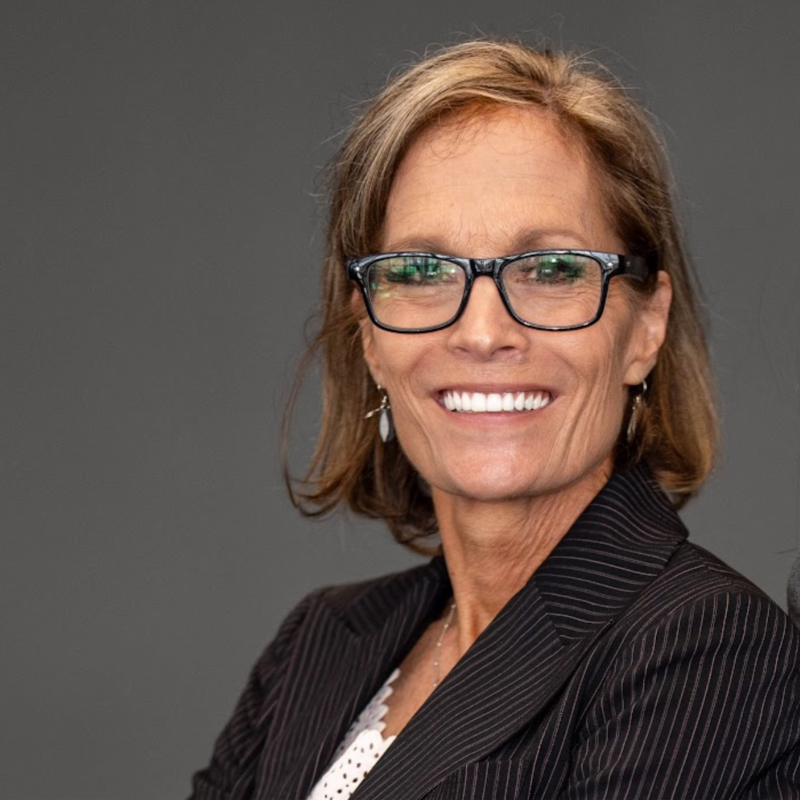
Dr. Cali Estes is an addictions coach and the founder of Sober On Demand and the Addictions Academy, the online addiction and mental health education school she describes as the largest of its kind. She’s a five-times #1 bestselling author and host of the podcast Unpause Your Life, and her expertise has been featured on CNN, NBC, ABC, MSN Money, CNBC, CBS, Fox News, KTLA, Forbes, HBO, the LA Times, People Magazine, and The Drew Show.
Learn more at Dr. Cali’s website, or connect with her on LinkedIn.
Favorite quotes
“Your vice isn’t your problem. It’s your solution to a problem.” —Dr. Cali Estes
“So love is setting a boundary.” —Dr. Cali Estes
“I simply say, can you go two weeks without it?” —Dr. Cali Estes, on her test for spotting a real addiction
Resources mentioned
- Sober On Demand: the recovery company Dr. Cali founded
- The Addictions Academy: her online addiction and mental health education school
- Unpause Your Life: Dr. Cali’s own podcast
- CaliEstes.com: Dr. Cali’s website
- Dr. Cali Estes on LinkedIn
Related episodes
- Journey From Addict to Award-Winning Author: Interview with Melanie Yates: another guest who rebuilt an entire identity and career on the other side of active addiction.
- Healing from Trauma and Addiction: Dr. Stephan Neff’s Journey: more on the trauma underneath addiction, the piece Dr. Cali says the meetings rarely address.
- Trauma Impact: From Codependency to Self-Mastery: a closer look at the codependency and enabling patterns Dr. Cali describes in the families of people she coaches.
Subscribe & connect
If this episode gave you something to sit with, follow Phoenix and Flame so you never miss an episode: all apps in one place, or jump straight to Apple Podcasts, Spotify, Amazon Music, or YouTube. And if it moved you, leave a review; it’s the easiest way to help another listener find the show.
Learn more about Phoenix and Flame, connect with Dana, and listen to more episodes here.
Read the full transcript
[Dana] (00:01)
Welcome friends, whether you’re out on a walk, running errands, or relaxing at home. It’s wonderful to connect with you. Joining us today is Dr. Callie Estes. Now, Callie Estes is the addictions coach. She is a highly sought after addiction professional who’s offered her unique perspective to national audiences on, okay, pause, it’s gonna be a minute. I’m saying them all. CNN, NBC, ABC, MSN Money, CNBC, CBS, Fox News, KTLA, Forbes, HBO, LA Times, People Magazine, and The Drew Show, et cetera. Dr. Calliestes, welcome to Phoenix and Flame.
[Dr. Cali] (00:52)
Thank you, I’m glad to be here.
[Dana] (00:54)
That sounds amazing. Now, you’re also a five times number one bestselling author. You have a founder of a largest addiction and mental health education school online, founder of Sober on Demand. You have your own podcast called Unpause Your Life. My goodness, that is a lot. That is a lot. So where did your journey begin and how in the world did you get where you are right now?
[Dr. Cali] (01:24)
So I did not set out to do this. I set out to be an FBI agent. That’s what I wanted to do. Way before Criminal Minds came out and you know, the BSU was not a thing thing. It was a thing, but people didn’t know it was a thing. I wanted to do that. And I interviewed with a female agent and she said to me, you will never make any money at this and you will at best be undercover narcotics. Back then. This is back in the 90s.
[Dana] (01:26)
You Oh my goodness. Gotcha.
[Dr. Cali] (01:53)
So I said, okay, well, that’s not gonna work. So what else can I do? And I was studying psychology at Penn State. And one day I went out with the girls, you know, Thursday night, ladies night, and I came home and they all hooked up with guys and I was very depressed. I was like, I never find a boyfriend. I’m sad. And I came home and I’m sitting on the floor and I’m eating cake and I’m eating cake with my hands. So I’m like crying and eating cake and there’s cake on the wall, cake on the dog. You know, you’re having a moment, right? Oh.
[Dana] (02:20)
I love the image. uh
[Dr. Cali] (02:23)
And my roommate walks in and she goes, that’s not normal. And I went, what’s not normal? This is what we do. You know, we cry, we eat. So she’s like, there’s something wrong with you. So I went to the counselor and the school counselor said, well, you know, this DSM book that we diagnose people with, you’re not bulimic and you’re not anorexic. So you don’t have an eating disorder. So you’re just fat. You’re fat. So she sent me to the fat doctor.
[Dana] (02:31)
Don’t judge!
[Dr. Cali] (02:52)
And back then, FenFen was a thing. So I went in and the doctor said, oh, we’ll help you lose weight. So whatever eating issue you have will go away. Puts me on FenFen. I go from 160 pounds to 90 pounds in three months, still eating cake like that. And now I’m not feeling good. I have tons of energy, but I also don’t feel well. And then they pull FenFen from the market because it’s killing people. So now I’m on the diet pills and now I’m on the speed. Now I’m looking for harder drugs because I can’t get what I need because I was told by a doctor, need this. Fast forward about six months later, I end up in the ER and the doctor says to me, you’re gonna kill yourself with whatever you’re taking. You’re 23, you’re like, what does he know? Dumb doctor, right? 10 years of education, works in ER, triage. He doesn’t know anything. Yeah, so. I keep doing what I’m doing. Six months later, different hospital, different doctor, and that doctor drops the F-bomb. And now he’s got my attention, because doctors don’t say that, right? And he’s like, you’re going to die. And I said, well, show me, prove to me this is going to happen. He goes, OK. Pulls up my EKG, my x-rays, all of it. He showed me the lighting in my heart. This is what normal looks like. This is what your heart looks like. And he’s like, you need to stop. So it gives me a pamphlet for OA, Overeaters Anonymous, and a pamphlet for NA, Narcotics Anonymous. So I go to OA, and it’s a bunch of old people back then I was 23. So people my age now were old back then.
[Dana] (04:24)
I remember.
[Dr. Cali] (04:26)
And they’re all crying and sad. And I’m like, I don’t fit here. So I go to NA and I walk in and they have coffee, which I love. They have sugar for your coffee. They have Snickers bars, Ho-Hos, Ding Dongs, Honey Buns, all my favorite goodies. And everybody’s smoking outside. And I used to smoke Newport. So I’m like, huh, this is where I belong. This is great. Right. So I’m hanging out and that leads me right back to using speed, of course. And now I’m thinking to myself,
[Dana] (04:46)
This is my…
[Dr. Cali] (04:55)
I might need a little more help. So it’s time to register for classes. And I pick a class on addiction and I took it. And I’m sitting in the class and the very first day the professor writes all the characteristics of a drug addict on the board. And I’m sitting there going, 20 out of 20. Hello, that’s me. So I’m like, I may be an addict. This might be something. So I started studying addiction and I went, I identify with this. I get it. But what’s the solution? Where do you go?
[Dr. Cali] (05:25)
And it was like inpatient rehab. You go to rehab. And I’m thinking, I don’t have health insurance. I’m 24 years old. I’m not going to go to rehab. So how do I navigate this? So I was talking to a friend of mine and she goes, you’re going to go to yoga with me. Now I’m thinking to myself, girl, I can’t touch my toes. I don’t know what I’m going to do in yoga. Right? And I can’t sit still for five minutes. So she goes, just come. So we go, now it’s 110 degrees. You can’t have water. You’re not supposed to talk. You’re supposed to do these poses five minutes into it. am complaining. I’m hot. I, and she looks at me and she goes, shut up. And I thought, well, that’s rude. And she goes, yeah, just do it. And I’m standing there and I’m like, looking at my watch and I’m like, this is a 90 minute deal. I’m five minutes in. And she goes, just stop talking and do it. And I’m like, I can’t. She goes, that’s your problem. You can’t do anything. And she kind of like, let me have it in this class. And I was like,
[Dana] (06:06)
Rude.
[Dr. Cali] (06:24)
I don’t like you anymore.” And she goes, I don’t care. Just do it. All right. 90 minutes goes by. I do it. It was horrible. The instructor comes up and he goes, I’m going to help you get sober. And I’m like, what is this, an intervention? And she goes, no, he’s in recovery for alcohol and he got sober on a yoga mat. And NA didn’t work for you. OA didn’t work for you. You’re not going to rehab. So you got to learn something. So I said, all right, know, challenge accepted, whatever. What’s the worst that can happen? I’m going to die of heat stroke. Okay.
[Dana] (06:54)
You
[Dr. Cali] (06:54)
So I started working with him, giving your emotions out on the mat. And he said, you know, basic thing, before you open the fridge to eat, or before you take a diet pill, do 10 sun salutations. Now each sun salutation is like 60 seconds long. I get to myself, it’s gonna take me all day. But I did it. And I would do one, then I would do two, then I would do three, and then I could do 10. And then I started realizing I didn’t want to open the fridge.
[Dana] (06:59)
Okay
[Dr. Cali] (07:24)
to eat and when I didn’t want to open the fridge, I didn’t need the diet pill. So I saw what he did and I went, there’s gotta be something to this. So I went into the study of addiction. went right into the field working in it, went and got my masters, um got my PhD and I’m working in and out of treatment and I’m realizing treatment is missing something because we put all these people into treatment and we send them from group to group to group and they sit and they listen, that’s it. There’s no visual, there’s no tactile, you’re not playing with something, you’re not engaging with each other, there’s no fitness, there’s no nutrition. And I’m thinking to myself, 50 % of these people are coming back every month. So I went to work one day and the owner, it’s also very, the way treatment center is designed, and I say this and I gotta get crucified when I say it, but the owner pulls up in a Bugatti and the staff pull up in a Pinto.
[Dana] (08:23)
Hmm.
[Dr. Cali] (08:23)
to give you a, you know, where’s the money go? Well, here’s where it’s going. So the staff are overworked, they’re exhausted. And one day I went into my boss and I said to him, I was putting a client into a halfway house and he got mad at me and he threw a notebook in my head. And I looked at him and I said, I have two words for you. And he says, what, F me? I said, I quit. And he goes, you can’t quit. You live in Miami. You need me to pay your rent. No, I don’t. I quit. I’ll figure it out.
[Dana] (08:26)
Yep. Yep.
[Dr. Cali] (08:51)
And I came home and told my husband I quit. He’s like, we don’t have rent money in two weeks. What’s the plan? I’m gonna start a company. And I did. And that was the day I started my company. I 300 bucks in my bank account, rent was due, car payment was due, and I’m like, watch this. And I just put it out there and I said, this is what I’m gonna do. And I want to be able to offer services that aren’t out there, like services I needed that weren’t out there in real time, real life. And that’s how Sober On Demand was born.
[Dana] (09:19)
Wow, wow, wow. That is incredible. I love the way you took your experience and your frustrations and your observations with your experience. And then you had the the hood spot. You had the bravery to be entrepreneurial with that. mean, that takes that takes something to be because all these observations that you had, of course, you had the, you know, some education along the way and all of that. But it’s like What do you think is the difference between someone who goes to these experiences, they sit in the rooms, they have the conversations, they may be experiencing what you did, but they don’t make that next step. They can’t figure out what to do next because your ability to notice all of that and then to take that next step.
[Dr. Cali] (10:03)
you
[Dana] (10:18)
Like if there’s someone who’s listening now that maybe they’ve had some similar experiences and they’re thinking, wow, that’s what Dr. Caliestes did was amazing, what words would you have for them?
[Dr. Cali] (10:32)
So I think the rooms are great for certain things and certain people. When you’re dealing with harm reduction, which is what I needed, because food addiction is a whole other animal, you can’t stop eating, right? You have to eat. You have to learn how to eat and how to not eat your emotions. And then I was using the diet pills to control my weight. So it wasn’t a drug addiction. It was a food problem, which was rooted in childhood trauma. But the meetings don’t talk about that. The meetings are just stop drinking, right? Just stop using drugs. They’re great for fellowship, but they’re not great for the therapeutic piece you need. So you have to take everything and make yourself what you need. And everybody’s like, Easter egg is different, right? So you need something other people might not need and vice versa. For me, I didn’t like the rooms because it was very negative. It was very, oh, this happened and that happened and everybody’s sad and everybody’s complaining. And I’m like, I’m already negative. I don’t need 20 other people telling me how negative I am and listening to their story. That didn’t help me, it me worse. So when I went to yoga, it got quiet. I didn’t have all that noise. I was focusing on my breathing. I was inside my head. I was inside my body. I was noticing where the trauma was, was in my body, how to release it. That worked for me. So what I tell everybody is you have to find the pathway that works for you. Not everybody’s pathway is the same. Inpatient may work for you, it may not. Some people have to go to prison to get sober and they’re like, well, I went to prison and I got sober. You know, everybody’s different. So that’s the first thing. The second thing is therapy and coaching are very different. I don’t like therapy. Yes, I’m a psychologist. Yes, I have 10 years into this um education wise. I don’t like therapy because it goes backwards and never solves anything. You’re with a therapist one, two, three, four years and you’re still talking about your feelings and not your actions.
[Dr. Cali] (12:29)
So I made the shift to coaching in 2012 and I coach my clients, which is very different. It’s very, okay, so you have trauma, but what are you gonna do about it today? It’s not, let’s go back and revisit and revisit. We can do that, but we have to also move forward. If you’re not willing to move forward, you’re never gonna kick your vice, because your vice isn’t your problem. It’s your solution to a problem. And that can be anything. You could be using Amazon Prime too much. ah social media, ah you know, you’re in your email too much. Maybe you’re doomsday scrolling or you’re Netflix binging. I have somebody that’s addicted to Wall Street trading and he lost his job because he was too busy trading all day and he’s horrible trader. Like you’re horrible at this. This is not for you. So you have to figure out your vice and figure out how to shift your thought process around it and your feelings around
[Dana] (13:27)
That’s, I like that. um I feel obligated to toss out there because I’m a psychotherapist is I seem to do like therapy and coaching combined because I, my mindset is much like yours. It’s just like, where is it? What are your goals? Where are you wanting to go? And what’s preventing you from getting there? And let’s see if we can figure that out. But the point is how do we move forward? So I have several, several questions for you. um Do you want me to ask him all three at once or one at a time? ah Okay, so we’ll just do it one at a time, because I’m thinking if I were listening to this, I’d get confused if somebody popped out three questions all at once. So question number one, how does somebody know, like you hear about the word, I’m sure, like functional alcoholic or something like this, because sometimes we don’t know where the line is. So you have people, whether they’re…
[Dr. Cali] (13:59)
however you want.
[Dana] (14:21)
addicted to eating or addicted to work or addicted to alcohol or addicted to drug, know fill in the blank. There’s a level where someone is using it maybe more than they should but you wouldn’t say they’re addicted. And there’s people out there that I think are addicted but they don’t want to admit that because they’re functional because they’re able to go to their job, they’re able to have some relationships and that kind of thing. If there’s a listener right now who maybe has a best friend or a spouse or an adult child or a parent or somebody who they suspect, let’s just use alcohol, that they suspect is actually an alcoholic, but that person is like, no, I’m not. What information could you help them? Are there facts? Is there data? Are there behavioral examples that, how do we know when somebody possibly is kind of flirting with that line between just using something a little bit too much and actually it’s an addiction issue?
[Dr. Cali] (15:16)
So I always say to my functional people, they always say, oh, you know, I could drink, could stop what I want or using whatever it is. And I simply say, can you go two weeks without it? And they say, yes. And I say, do it. Show me you can go two weeks without that thing, whatever it is. And if you can go two weeks without that thing and you’re not thinking about it and obsessing over it and counting down the days when you can have it, then you’re not. in the category of alcoholic or drug addict or what have you. Give you a best example is like a diet, right? When people go on a diet and they say, I’m gonna start on Monday and I’m not gonna eat any garbage, right? What happens is they start counting down the days when the diet’s ending. Oh, well, on the 5th of January, I can have sugar. And they’re going, okay, now I can, and they’re counting down the days on the calendar and crossing them off. That’s a problem. You’re addicted to sugar because you’re obsessed over that date line. So if you’re doing that,
[Dana] (16:01)
Yeah.
[Dr. Cali] (16:15)
That’s a problem. Also, if you see DUI, job loss, threat of divorce, those things, you have a problem. You’re already in the danger zone. So those are my two markers.
[Dana] (16:26)
I love it. That’s very, very helpful um because there’s so much gray area and especially when you get into codependency and family dynamics where you have people that are making excuses and it’s like, okay, well, where’s some line? So that was very helpful to suggest that. So question two, what do you think would help people to make the jump? from, like you mentioned earlier, such a good point. Like they go to uh AA, NA, OA, whatever they’re going to. And the fellowship is so good. And the connectivity and the validation of what they’re feeling because other people are going through the same thing. And that feels good to sit there and be across the circle from someone who knows exactly what it feels like. And there is that connectivity. And it’s almost like they have to hold on to the addiction or they’ll lose. all of their new pals. So what is your words of advice? What is your suggestion for someone who might be listening, who has realized they have an issue and they’re going to these groups, but they’ve experienced exactly what you experienced. Everyone’s talking about it and yes, they like having the connectivity and the validation of their experience, but yet they don’t really, if they’re honest with themselves, they don’t feel like they are moving forward. They’re not changing anything. They’re not moving beyond. What would your words be for them?
[Dr. Cali] (17:51)
So what happens is generally people get addicted to the meetings and we see that. So they trade the drug for the meeting and they’ll have a feeling. I feel sad, I feel angry, I feel frustrated and they’ll go, need a meeting. I’ve got to go to a meeting. That becomes your dopamine hit, your immediate ratification of I’ve got to go to a meeting now to deal with this internal dialogue. At some point you shouldn’t be going to meetings. They’re just a way for you to bridge from using to not using. That’s all it is. It’s not a lifetime thing. And people get caught up in a lifetime thing and they’re like, oh, you know, I have to go to this meeting every Friday at 6 a.m. They’ve been going for six years. And I say, why are you still going? What keeps me sober? Well, you keep you sober. So you have to be able to make that shift from needing that external validation to the internal validation. And that’s when people get stuck. So I say, that’s what coaching is for. That’s what your therapy is for is to get you that internal validation so that you don’t need the meetings anymore.
[Dana] (18:49)
Mm-hmm. I love that. I love that. It kind of reminds me of what I say sometimes to some patients that I have. It’s like, my job is to work my way out of a job. It’s like being a parent. know, when you’re raising children, ultimately your goal is to not have to do that anymore. You you want them to be successful and to be powerful and to launch and to have agency and go out in the world and do their thing to where you’re not having to parent them anymore.
[Dr. Cali] (18:59)
Yeah?
[Dana] (19:15)
And so you bring up excellent points with that. So if we have listeners that are kind of in that sort of a rut, which they say is a coffin with two sides, if they’re in that kind of rut of going to these meetings, then that’s a very good way putting that. You don’t go there to stay. They don’t take you to raise. It’s just like a chapter and then you move on to the next chapter. So here’s another question that I have for you. You mentioned yoga and that it gave you a space to kind of quiet, quiet all the things around you and just to kind of be present with what’s going on inside of you. I’ve talked to people and there may be some listeners now that are thinking they actually are actively trying to stay as kinetic as they can to avoid their feelings and their thoughts because they know what feelings and thoughts are sitting there waiting for them if they finally slow down long enough to feel those things and think those thoughts and they’re scared. So, What would you say to them that actually need to be doing something like yoga, but they’re scared for everything to be quiet and for them to be sitting alone with those thoughts and feelings that they’ve been running away from for a long time?
[Dr. Cali] (20:26)
So that’s where the healing and the power is, is being able to sit with your thoughts and feelings and not have to act on it. So to get there, I have him do an exercise in the morning and at night called brain dump. And you set your clock for five minutes and you can journal this or you can do it verbally, depending on how fast you write or talk. For five minutes, I want you to take everything in your head and dump it out. Complaining, thoughts, to-do list, whatever it is, just dump it. And if that… Alarm goes off before you’re done, reset it for another five and keep doing it until you run out of things to say or write. Then go to sleep. You’re going to watch how well you sleep. When you wake up in the morning, you do the same exact process. Dump your whole day out, whether it’s, you know, making a to-do list or journaling or just complaining. Get it out. That’s going to help all those ruminating thoughts and all that extra stuff spinning out there when it’s out of your brain. Now you can take a deep breath and go, okay, what am I really dealing with? What’s my real issue? Half of that stuff taking up space in your brain, running space for free is just thoughts and feelings that your feelings are valid, but it’s not necessarily something you need to be concerned with or that you should be concerned with. And a lot of it is, I feel bad because, I am hurt because, I am sad because. And there’s always this reason to be hurt, sad, mad, angry. But the bottom line is that’s gonna keep you stuck and you’re gonna just keep repeating the same cycle day after day after day after day. And if I ask you if you’re happy, you’re gonna say no. And I’m gonna say why? And you’re gonna have this laundry list of things you did or someone else did to you that you’re not happy. So getting that out clears up that space and then we can work on what really is the problem.
[Dana] (22:19)
Love it. Absolutely love it. Spot on, Callie. So now I also want to know, because since boundaries is my passion, uh and I know lots of times when we’re dealing with addiction issues, we have some boundary snafus with ourselves, and we also end up most of the time with boundary snafus with those around us. So do you have some personal experiences and or some things that you can uh share that some of your clients have gone through that were some boundary issues that my listeners might be experiencing right now.
[Dr. Cali] (22:52)
So yeah, so a lot of times the family, if the person using is younger, like in their 20s or 30s, the mom or dad tries to control the drug use or the drinking. You I’m gonna get you an Uber or I’m gonna give you this special credit card or I’m gonna do these things that you don’t get drunk and get a DUI or you you don’t overdose. I had one mom that would go with her son to the drug dealer so he could buy his heroin and she would have Narcan. And her thought was, well, if he overdosed, I’d be right here to save him with the Narcan. And I said, okay, you how long have you been doing that? She said, a year. And I said, so what happens when it’s fentanyl and your Narcan doesn’t work? And she goes, I never thought of that. Never even thought of it. I said, so basically he gets too much heroin and fentanyl and he’s overdosing, what are you gonna do? She goes, well, I’ll call 911. I said, okay, now when they come to save him, you’re gonna go to jail. I’m just gonna let you know upfront, you’re gonna go to jail. And she goes, why? I’m like, because you’re watching him buy drugs. You’re allowing him to do drugs in front of you. He has drugs on him. And here you are saving him with fentanyl or with a Narcan and you gave him the money for the drugs. Like you’re going to go to jail. Like this is not how we do this. So she didn’t even consider that. And then it was, I’ll take my chances. It’s better to have him alive. I said, what if we get him sober? That’s, know, let’s do that instead of this. And she goes, well, he doesn’t want to be sober. And I’m like, if you take the money away and you stop driving him and giving him money, he will get sober because he has to get sober. And she was like, well, what if he dies? I’m like, he’s going to die in front of you if you keep doing this.
[Dana] (24:35)
He’s already dying in slow motion right now. Yeah.
[Dr. Cali] (24:38)
Yeah. So yeah. And then my husband passed away from long-term complications of drug use. So I tell people, you may not overdose. I mean, he had like five, six overdoses. had 14 car crashes, arrests, what have you. None of that killed him, heart attack did, after long-term drug use. So I tell people all the time, you may not die of an overdose, but at some point your body will give out from all the drugs you’re putting into it and the way you’re treating it usually happens in your 50s. And then you’re done.
[Dana] (25:10)
So let me ask you another question that’s related to what you just, the answer that you just gave. And it was such an excellent example because I feel like sometimes we get confused about what it means to love somebody in these situations when the person that we love, whether it’s a friend or whether it’s an adult child or whether it’s a, you know, whoever, a coworker, whoever it is, that we care about them so much and we’re, we think, well, I want… I’m enabling them, they don’t look at it that way. They look at it, I’m loving them. So if we have someone who’s listening right now who has someone in their life that they love so much and they’re engaging in these behaviors, can you possibly explain a little further about what you just said and helping them to differentiate between what love actually looks like versus what… codependency and enabling looks like in these scenarios.
[Dr. Cali] (26:07)
So love is setting a boundary. And a lot of people don’t understand that. They think they’re helping. You’re loving the person to death is really what you’re doing because you’re giving them money. You’re giving them ah the ability, the access to you and to cross all of your boundaries so their needs get met. Your needs are not getting met and that person is actually manipulating you. They’re telling you they love you so much. Thank you so much for the money. You know, I couldn’t eat this week. I couldn’t put gas in the car. This is amazing. And they’re not putting gas in the car. They’re not buying food. They’re buying drugs. And then when that wears off, they have the same sob story. Oh, I couldn’t get the job. I don’t know what’s happening. It fell through. I have a set of parents, same story. I have a set of parents on restriction right now because their daughter is off the chain with alcohol and they keep flying in to rescue her. And she keeps ending up in the ER. And I said, no more. I’m a flying.
[Dana] (26:51)
There’s always a story.
[Dr. Cali] (27:03)
No more visits, no more money, no more Uber. And they said, well, what if she dies? She’s already there in the ER. Like we’re in the ER once a week with alcohol poisoning at this point. And all you’re doing is sending the money and sending the Uber to allow it to continue. So we need to stop that. So sometimes I have to take the parents and sort of put them in a uh cage so they understand you can’t do this. And then when they start to realize as they change their behavior, the client changes their behavior because they have to.
[Dana] (27:33)
Mm-hmm.
[Dr. Cali] (27:33)
You know, now I don’t have an Uber. Now I don’t have that extra three, four, $500 to get high. Now I don’t have mom and dad sending me money. Now what do I have to do? to get my needs met. Now I have to actually get a job, you know, or commit something even more illegal and then get caught and then go, okay, this didn’t work either. So they have to learn the hard way. And a lot of parents don’t want to let their child fail. And they say, well, you know, what if they ruin their credit or what if they, you know, get a DUI? they ruin their credit, then they get a DUI. There’s going to be a consequence for your behavior. They need to go through that. Rescuing them doesn’t…
[Dana] (27:45)
Mm-hmm.
[Dr. Cali] (28:11)
stop them from doing this. just prolongs the process financially and emotionally bankrupts you as the parent. And then the child just keeps doing this until there is a godsmak, which is a DUI, job loss, divorce from their partner, losing their children. Something has to happen for them to go, okay, now I cannot continue doing this.
[Dana] (28:34)
Mm-hmm. Wow. What a wonderful explanation. And to kind of tag on to that, so often the parents will do exactly what you’re suggesting. And then a consequence happens, like you said, like their credit is ruined or they lose their job. Well, a natural consequence would land on them, on the person who it’s supposed to land on, but then they are always, they’re blame shifting and saying, I wouldn’t have lost my job if you had done this for me. I wouldn’t have, you know, this wouldn’t have happened to me if you had helped me. And so they blame the parents and then they want, they want to come home and live because they got kicked out of their apartment. They can’t pay rent. now they’re at their parents’ front doorstep trying to move the consequence from their yard to the parents’ yard. So if I have parents that are listening right now that is just like, well, sure, you know, Dr. Estes, I could do that. But when I stopped paying the rent, when I stopped doing this or that,
[Dana] (29:33)
My kids are get kicked out of their apartment, then they’re gonna land on my front doorstep. What am I supposed to do? Not take them in? Because in these addictions, they blame other people for the issues that they’re experiencing, and then they don’t wanna accept the natural consequences. They want someone else to pay the consequences for their choices. So what would you say in those situations?
[Dr. Cali] (29:39)
Yes. This is where you have to parent and a lot of parents don’t want to parent. And this is where you have to say, no, you’re not coming back to my house. No, you you didn’t go to work. You didn’t pay your rent. I don’t want you sitting here not going to work, not paying rent, because that is your pattern. Right. People have patterns. They’re going to continue to do the same thing unless there’s a pattern interruption. So they’re going to bring that not working, laying around, doing drugs right into your home. And then they’re not going to leave.
[Dana] (30:08)
Which is what would happen. Uh huh.
[Dr. Cali] (30:23)
and you’re gonna have this person in your house now where you’re battling constantly, get up, get a job, go to work, stop using drugs, why are you out till 3 a.m.? All of those things are gonna happen in your house. And then if you cut them off inside, they’ll steal from you. And a lot of people don’t realize that. They say, oh, they would never do that. Yeah, they would.
[Dana] (30:40)
Yes, would. They absolutely would. Oh my gosh. So I know our time’s about up here, which is, I feel like we could just talk and talk and go on about, but I wanted to ask you, because when we first started talking, I was so impressed with your story and what you made of your life, even though these things happen to you and you’re frustrated, but you were able to kind of say, I’m going to create a whole business. These models are not getting it. from my experience of being in these groups, they’re not providing, I want to change something. And you really launched yourself into this entrepreneurial space. So what advice do you have out there for female entrepreneurs? If they’re listening and they have some kind of an idea of something, they’ve experienced something much like you did that they’re thinking, you know, this isn’t working well. And I think I know what could help it work better, but they’re scared, feeling anxious and secure, fill in the blank. What? words of wisdom, what words of advice would you have for them?
[Dr. Cali] (31:39)
So anything you do, your first thought is going to be that won’t work, especially if you’re women, because we’re programmed to, you shouldn’t do that. You shouldn’t talk that way. You shouldn’t stand that way. Women are supposed to be this way, right? And if you don’t fit that model, there’s something wrong with you. So if you’re thinking about getting into business or doing, you have an idea. Let’s say you want to sell cupcakes, right? You know, that’s very feminine. It’s very women bake, women sell cupcakes. That makes sense. And someone says, oh, well, no one’s going to buy your cupcakes. Your brain will go, she’s right. No one’s going to buy them. I’m not special. My brain is why wouldn’t they? So anything that somebody asks me or says, well, you can’t do that. say, why not? And they go, well, you just can’t. Well, why not? I would like an actual valid scientific argument of why I can’t do that. Well, it won’t work. Why won’t it work? So I will fight this system. And then I believe in the law of creation, the power of creation. So you can do anything you want. If you’re not happy in your marriage, you can leave. If you’re not happy where you live, you can move. You’re gonna have to shift your lifestyle. You might have to shift your income and how you live, but those things can happen. So I tell everybody, you know, time is freedom. If you’re working hourly at a job, you’re giving your time away to pay your bills. You need more freedom. Cause a lot of people look at it like money, I need more money. No, you need more freedom. You need less stuff. And that’s where I think people get stuck in, well, I can’t get out and do something. I can’t start a new career. I can’t have a business because I had to give all this stuff up. You might. You might not be buying the new sofa every year. You might not be buying the newest iPhone. But once you hit a certain mark, you can do all those things. So it’s kind of like checks and balances. It’s getting out of your head, realizing you can do it, and then realizing what don’t I need anymore? Where’s my limiting belief? Is it stuck in material goods? Is it stuck in that I have to be a wife and a mom? Is it stuck in that I can’t start a widget business because women don’t sell widgets, they sell cupcakes? What’s that stuck point and then getting past it?
[Dana] (33:47)
Fabulous. I love this. So before I let you go, I need to make sure that I’m sending my listeners to the right place. So the I have link tr.ee slash Dr. Calliestes. Is this is this the right website?
[Dr. Cali] (33:51)
So, why don’t you go and make sure that So Linktree has all my websites on it. Linktree has my Sober on Demand, the Addictions Academy, all of my books, my bio, my podcast, everything you could want. And if you’re in business, uh piece of free advice, Linktree is free and it’s awesome because it also has all your social handles. So you can click it and then scroll down and find my Insta, my LinkedIn, ah my Facebook, my phone number, anything you could possibly want. So, and you have your photo at the top. It’s a nice little profile.
[Dana] (34:34)
Wonderful. Wonderful. Dr. Kali Estes, thank you so much for giving us your time and your wisdom today and sharing that with my listeners. Thank you so much.
[Dr. Cali] (34:47)
Thanks for having me.
[Dana] (34:49)
Guys, I know that you have heard multiple things today that you’re thinking, you know what? I have the perfect person. I have the coworker, the best friend, the relative that needs to hear what Dr. Callie Estes has had to say today. Take this podcast episode, copy and paste it, share it in texting, share it in email, put it on your favorite social media sites so we can grow our Phoenix and Flame community so we can tell people you are not alone. Thank you for listening. I hope you’re having a great day and the rest of your day goes fantastically. I’m Dana on Phoenix and Flame.
Are your work boundaries supporting you—or quietly draining you?
Take my free Work Boundaries Quiz and find out where you stand.