First aired April 19, 2025
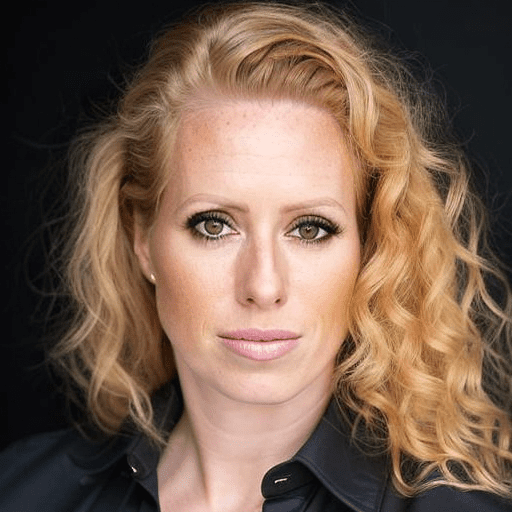
Picture an 11-year-old kid clocking hours at a hair salon, doing everything except the actual hair, because nobody else was going to hand her a better life. By 14 she was assistant manager of a shoe store, bossing around employees twice her age. By 24 she was a chief operating officer. That’s how Victoria Pelletier’s leadership journey started, and it’s the answer to a question a lot of us are quietly asking: how does someone build real, lasting success out of a childhood that gave her nothing to build on?
Victoria is a 20-plus-year corporate executive, board director, bestselling author, and the exec her former colleagues nicknamed the “Turnaround Queen” and “the CEO Whisperer.” For years she led like the other nickname she earned: the Iron Maiden. Encased, closed off, no vulnerability allowed. It took one gut-punch comment from a colleague to make her rebuild into what she now calls a turtle instead (tough shell, soft head poking out). We get into that shift, why she’s an outspoken advocate for DEI as an openly queer woman who was “the only one” in the room for years, and the actual boundaries, the calendar blocks, the delegated laundry, the one rule she breaks on purpose, that let her run a life instead of just surviving one.
You’ll walk away with real language for setting boundaries at work without apologizing for them, and a clear case for why inclusive workplaces perform better, not just feel nicer.
Watch this episode
In this episode
- How a chaotic, adopted childhood became the drive that took Victoria from an 11-year-old shop clerk to a chief operating officer by 24
- Why the “Iron Maiden” reputation she built to survive corporate leadership actually cost her, and the offhand comment from a colleague that forced her to change
- The “turtle” mindset: how to stay tough and resilient while still leading with empathy and vulnerability
- Real boundaries Victoria sets (and the one she deliberately breaks) to protect her time, her health, and her family
- Why DEI isn’t a “tick the box” cost center, and what actually happens to retention and revenue when companies get it right
- What it means to lead by “fair, but not equal” when every employee’s situation is different
Timestamps
- (00:01) Welcome and meet Victoria Pelletier: chief operating officer at 24, president by 35, CEO by 41
- (01:33) Starting work at 11, managing a shoe store at 14, and the drive that came from a hard start
- (07:28) The insecurity behind the confidence, and where the “Iron Maiden” nickname came from
- (09:50) From Iron Maiden to Turtle: the comment from a colleague that forced a change
- (12:56) Fake it till you make it versus real self-acceptance
- (17:36) Real boundaries: blocking her calendar, delegating chores, and the one boundary she breaks on purpose
- (21:50) Being an openly queer executive, and why DEI became her passion
- (24:40) The real benefits of DEI, and where companies still get it wrong
- (30:00) Boundaries at work and why hard conversations get easier
- (32:55) Where to find Victoria’s TEDx talk and her books
About Victoria Pelletier
Victoria Pelletier is a 20-plus-year corporate executive, board director, bestselling author, and professional public speaker, nicknamed the “Turnaround Queen” and “the CEO Whisperer” by former colleagues and employers. She was one of the youngest chief operating officers at age 24, a president by 35, and a CEO by 41.
Learn more and find her books at Victoria’s website, or connect with her on LinkedIn.
Favorite quotes
“Even when I do not feel it, I’ve always shown up with confidence.” —Victoria Pelletier
“I will not do things that don’t bring me personal or professional joy or value.” —Victoria Pelletier
“It’s going to be fair but not always equal.” —Victoria Pelletier
Resources mentioned
- Victoria’s TEDx talk on resilience (referenced in the episode; no link was provided in the source content)
- Unstoppable: the anthology where Victoria is a contributing author
- Influence Unleashed: Victoria’s book on personal branding and trust in business relationships
- The Power of Whole Human Leadership: Victoria’s book on her journey from “Iron Maiden” to “Turtle”
- Radical Candor by Kim Scott: the book Victoria says reflects her long-standing leadership philosophy
- Victoria’s Books
- Victoria Pelletier on LinkedIn
Related episodes
- Stop Winging It: A Leader’s Guide to Resilience: another take on high-achiever burnout risk, this time from psychologist Dr. Marie-Hélène Pelletier’s “you’re fabulous and at risk” framework.
- Why Successful Entrepreneurs Set Boundaries: more on the calendar-blocking, delegate-it-or-drop-it boundaries that let high performers actually sustain their pace.
- How to Build a Workplace Culture That Lasts: pairs with Victoria’s DEI section on what it actually takes to keep diverse talent from walking out the back door.
Subscribe & connect
If this episode gave you something to sit with, follow Phoenix and Flame so you never miss an episode: all apps in one place, or jump straight to Apple Podcasts, Spotify, Amazon Music, or YouTube. And if it moved you, leave a review; it’s the easiest way to help another listener find the show.
Learn more about Phoenix and Flame, connect with Dana, and listen to more episodes here.
Read the full transcript
[Dana] (00:01)
Welcome friends. Whether you’re out on a walk, running errands, or relaxing at home, it’s wonderful to connect with you. Joining us today is Victoria Peltier. Victoria is a 20 plus year corporate executive, board director, number one bestselling author, and professional public speaker. She has been nicknamed the turnaround queen and the CEO whisperer.
[Dana] (00:31)
by former colleagues and employers. She was one of the youngest chief operating officers at the age of 24, president by 35, and a CEO by 41. Victoria, welcome to Phoenix in flame. That is wonderful. Now I also saw your TEDx talk on resilience.
[Victoria] (00:49)
Thank you for having me. It’s a pleasure to be here.
[Dana] (00:57)
which was fascinating and listeners, will, put that in the show notes, certainly because you definitely need to go check that out. So that was, that is a lot. That is a lot of stuff. I mean, how does someone get on a track to do something like that? That is, that’s not common. What you did is
[Victoria] (01:17)
The TEDx, either my career or both.
[Dana] (01:20)
All of it, all of it. And we’re going to take our time economy and through all the things because I have so many questions, but just to start off right off the jump, it’s like how, how were you able to accomplish so much so fast?
[Victoria] (01:33)
I attribute my drive to a few things. I come from some pretty difficult early beginnings and both I’m born into a drug addicted teenage mother. And so lots of abuse there. My adoptive family, thankfully I was adopted out of that environment, lower socioeconomic position. And I share that because there was this determination from a very young age that I was gonna be better than either the biology or the circle. And so I pushed hard. So I started working at age 11. By 14, I wouldn’t be allowed in today’s labor laws, know. I worked in a hair salon doing everything except for hair, know, cash and cleanup and all that stuff. By 14, I took my first leadership role. I became the assistant manager of the shoe store that I worked at while I was in high school. 14, which was…
[Dana] (02:22)
at 14.
[Victoria] (02:26)
Another common thread for me, although a little less so now that I’m almost 50, but I was used to always being the youngest. And so in leadership in particular. And so here I had people reporting to me in that role that were probably 20 years older than me. But leveraging that leadership experience, I ended up working at a bank when I was in university. and got promoted through the ranks very quickly. So that first executive role at age 24, where I got recruited out of banking to be the chief operating officer, was I still had lots of years of experience. was contact center that I had, and I stepped into a BPO, which is a business process outsourcing, like outsource call center, that kind of thing business. So I was young, but I had many years of experience, even though I was young. I’d been in a leadership role for 10 years already at that point. And one differentiator for me is even when I do not feel it, I’ve always shown up with confidence. I believe that for many people, they view confidence as competence. It’s not always the case, but I think that helped me step into that early executive role and just the drive, as I shared, comes from wanting to do better, to be better than where I came from. And my mom said to me at some point when I was 11, she’s like, Tori, you need to do better than us.
[Victoria] (03:46)
get an education, get a better job than they have. so unfortunately she passed away many years ago. I think she’d be very proud if she saw what I actually have accomplished.
[Dana] (03:56)
Absolutely, that’s amazing. mean, what you have accomplished, is huge. I really love the premise of Phoenix in Flame is for all of us to recognize that we’re all kind of on different paths of life. And there are different things in our life that feel like fire that is just burning the shit out of us. And we end up in a pile of ash, wondering if we’re ever going to climb out. And then somehow we do and we rise like the Phoenix. And then it happens. It’s not a one and done thing. You know, it just keeps happening. If we level up, we level up. keeps happening and happening. And so some of the stuff that you were saying, and you’ll notice as I kind of look down periodically as we’re talking, because you will say something that will kind of jog a thought or a question in me, but I won’t want to interrupt your flow. So I’ll just kind of jot down my thoughts. Several things that I’m thinking of already is I… resonate some of the things in myself, I see it in you, and I was wondering if you felt like, and I’ve talked to other people as well that are high achievers, that sometimes, particularly with women, we can be very, very independent when sometimes our situations aren’t particularly reliable or secure or stable. because we sometimes learn that we have to kind of depend on ourselves. Do you feel like that was any of your experience or not so much?
[Victoria] (05:24)
Oh, it is for sure. I, you know, my parents, never had to worry about like food insecurity and not having a, you know, a roof over my head, but there was not a lot of money for anything else. So that’s where, why I started working so early for anything extra I wanted, but it instilled that sense in that like, I’m responsible for me and what I want to achieve. And whether that was material possessions, you know, by the new, the Walkman back then, you know, kind of aging me for sure. But, you know, whether it for that or then as I got older, I recognized it’s on me. And I have always been the primary provider in my relationship. So two marriages for me and in both, you know, I’ve been the higher earner primary provider. And even when I dated in between, it’s just sort of consistent. It weighs heavily sometimes, but at the same time, I just think For me, know I’m driven and I have the need to succeed and support others and in this case, my family.
[Dana] (06:29)
It sounds like you’ve done a great job. I know that sometimes those of us that are in that category at times, it feels a little insecure to rely on other people. We might want to and even cognitively know that we can, but emotionally that’s a totally different terrain. And so sometimes for those of us in that pocket, it was just kind of like, I’d rather just kind of do it on my own, thanks, and just know that it’s there. And I was also wondering as I was listening to you talk, what do you remember being like some of the main obstacles as you were on that path, know, starting working at 11 at the hair salon, you were 14, you’re already a manager, moving on. As you look back now, what do you remember being some of the main obstacles in your path that you had to try to… overcome, deal with, acknowledge, accept any of the things.
[Victoria] (07:28)
Uh, many quite frankly, you I, so I talked about showing up with confidence, but the reality is I was very insecure. Uh, and some of that’s the early beginnings, you know, the, you know, fear of rejection, uh, of maybe not necessarily being liked, but my, my early beginnings with my biological mother and being given up and all of that just sort of somewhat scarred me. And I took me a lot of years to work through that. So there’s a lot of insecurity that’s happened. you know, within me. And I think I showed up in a very particular way. I talk about in the TEDx around resilience and what I refer to now as a healthy way of being resilient. So for me, I had to learn to break down the barriers that I put up to protect myself from getting hurt, from, you know, rejection from others. And so I showed up from a work perspective, all business, all the time. I didn’t want to show vulnerability, again, to protect myself, but also being a young female leader, I thought I had to show up that way. I thought that, and some of it was from what I saw, not only on television, but in my own work experience, I saw this like top-down approach of command and control. You didn’t see emotion and vulnerability. So I learned a bit of that, but also it was also my own nature. to bring that down. And so I showed up in a very particular way and I got a nickname is the Iron Maiden. And so I needed to gain confidence in myself, love myself truly. I think head and heart were very different. I could say it, but did I really feel it? So I needed to be love the woman that stared back at me in the mirror and all that that meant and being comfortable with my whole self and being okay with sharing that with others. and also recognizing that you can still be a really strong leader and performer by being empathetic, by demonstrating and showing emotion and vulnerability. So those are just some that I’ve encountered. And then one other, in addition to being a young female leader, I’m openly queer. I was married to a woman for 11 years. I’m now with a man, but I’m still very openly queer. And so I’ve also had that extra dynamic to… you know, deal with over my career as well and all that came with that.
[Dana] (09:50)
Hmm. Yeah, you said in your TEDx talk, it was very interesting about the Iron Maiden and then you later on, because I love analogies, because I think in analogies and I speak in analogies. And so I love it the way you said that you went from Iron Maiden to being like a turtle. Now, I would really love it for you just to take a couple of minutes and just help my listeners understand for you what that transformation, why turtle and what it was like, why you felt it was important to go. I mean, why didn’t you stay as an Iron Maiden? Why didn’t you just stay like that? Why change and why to a turtle?
[Victoria] (10:23)
Yeah. So the Iron Maiden, there’s, I don’t think it actually, if you look at research, I don’t think it actually exists. It was supposedly in medieval times, a torture chamber that people sat in, but it was like you’re encased in this armor. So the evolution from that to turtle, which I still have a very tough exterior shell, more in that I’m extremely resilient. I can deal with a lot, but my head pokes out the softness that’s underneath there, it came out.
[Victoria] (10:53)
I made that change for a few reasons. One is, and I remember it was in my late 20s and early 30s in particular where the confidence and the love that I mentioned earlier for self, I really got comfortable with who I was. And so the ability to let down some of those walls was part of it. But also I had this like defining moment at work. I learned that I had a nickname as the Iron Maiden. I think I was… 27, 28 years old. So a few years into my executive leadership journey, one. And I was like, well, that’s unfortunate. But I am one who is usually asked to turn around businesses. I have to make tough decisions. I am very comfortable with the performance management of our teams. So I attributed initially to that and reaction to. But two months or so after that, I learned of that nickname. I was talking to a peer, so not even a direct report or someone else. And we were talking about our weekends. And I said that I’d seen a movie on the weekend and it had me bawling, like just sobbing and that I was making a joke that the little popcorn napkins weren’t enough to soak up. And she looked at me like incredulous and she’s like, Vic, I thought you’d be the type of person who’d laugh at people who cry at movies. Like that crushed me. Like that is not who I am. I have always had this incredible soft side. I cry at like, Humane society commercials, like I’m very, very soft and emotional. But if people thought that I would even be the type of person who’d laugh at others who showed that kind of emotion, I realized I was doing something very wrong in the way I showed up. And perception is reality. And so people’s perception, because I showed up as the Iron Maiden encased in this like armor and I didn’t let the walls down and let people see who I was, that’s when I realized I had to…
[Dana] (12:35)
then.
[Victoria] (12:46)
I had to show up differently. I had to do things that made me uncomfortable, which included starting to show emotions, start to show up as my whole self.
[Dana] (12:56)
That’s wonderful. Now, as I’m listening to you explain all of this, and I’m trying to connect these dots, I’m thinking, help us understand for you where you were able to walk the line and find a balance between on the one hand, sort of like a fake it till you make it kind of thing. You said, you know, the whole… you know, confidence and it doesn’t necessarily mean competence or not the same thing. Sometimes you have to show up, even though you might not feel that way underneath, you’ve got to kind of show up. And let’s be honest, that’s true, especially for women. And if we’re in environments that are traditionally male, and I have, I have spoken to countless women that are in those positions and like it or not, that’s just the way that is. You just kind of, you have to read the room. And so sometimes you have to present that. And so it’s sort of like a
[Dana] (13:45)
fake it till you make it thing, but then I’m also hearing you say that you had a journey of acceptance, like learning to accept yourself and find that place and to be more comfortable in your own skin and to not, to be able to let go of that and to be who you were authentically in that environment. So how did you manage to find that balance in between that?
[Victoria] (14:15)
I’m not totally sure, to be honest. I think it was just, it was a culmination of a bunch of things that happened both professionally, as I said, this like conversation I had with a colleague and learning the name to make an, and subsequently I shifted to another company and that was actually my opportunity to go, I’m going to be different. They don’t know me. They don’t know the Iron Maiden. So that was an easier shift and pivot for me. But even to starting to reevaluate, there’s one thing my mom, my mom for me is the woman that raised me, my adoptive mother. And she had tried to teach me a lot about, and I didn’t appreciate it till later, this incredible amount of like self-awareness and self-reflection. She’d sit me down for hours and like, Tori, let’s talk about like why you’re acting out. And I hated it as a teenager, but I started to utilize some of those techniques, which
[Victoria] (15:08)
helped me understand why I wasn’t happy, for example, in my first marriage and making the difficult decision to leave it because I wanted to focus on happiness. And it was a balance between what that meant for my family to leave and my children who had to deal with divorce to ultimately my happiness and trying to demonstrate for my children the kind of relationship that I would want them to aspire to have as well. So it was things like that to…
[Victoria] (15:39)
Also, so my ex-wife actually had cancer the first time when I was seven weeks pregnant with our youngest. And so went through that battle. When we got separated, she was supposed to be cleared fully in remission, five years cancer free. And several months after we separated, her cancer came back. And she ended up passing away several years later from it. And that too changed things for me because as I evaluated what’s important to me, and as the saying is, health is your wealth. And so thinking about that, thinking about the fact that material possessions meant something to me, given that I came from none of that when I was younger, I shed a lot of that. So I really just evaluated like what’s important to me and also what kind of, I’d achieved a… for amount of like career success, but like, what do I want to be known for? And so all those things entered my mind and started to shift how I showed up, again, what I viewed as my definition of success and how I want it to be in the world period for my family, for myself, for community, et cetera.
[Dana] (16:49)
just a lot of evaluating going on there is just where you stand in all the different spheres of your life. And as I’m listening to you talk, and I, I’m very, uh, a huge proponent and passionate with boundaries. Um, that’s kind of my big platform. And I’m kind of wondering for you at work, and also you mentioned home life, work life. What were some examples that you had to set boundaries along the way, whether it’s with coworkers, whether it was owning your own stuff and not owning someone else’s and trying to put those lines down in your personal life, between personal and work, at work, all the things. What are some examples of when you did that?
[Victoria] (17:36)
Being able to create and live by the boundaries I’ve created have actually been a big part of what any success that I think I’ve had in my ability to do a multitude of things. you know, for me, I mean, really simple things like blocking my calendar. I work out six days a week. And so I work out first thing in the morning, but I found working in global organizations, people would just book me for these early morning meetings. just… blocked my calendar. Doesn’t mean I don’t take early morning meetings, but it’s by exception and I need to approve it versus just jam it into my calendar to, you know, blocking like two 30 minute blocks on my calendar because I’m back to back to back to give me some breathing time, catch up on emails to. There’s a boundary I cross by choice when I travel. Sorry, when I go on vacation, I choose to look at my work emails and clear them. I don’t want to come back to a thousand emails. That’s my choice. So I’m clear with my team. Do as I say, not as I do. I don’t expect you to do, but that’s a boundary I’ve chosen to break, if you will. But also I made a decision. don’t even know how long ago that I will not do things that don’t bring me personal or professional joy or value. Now, some of those things still need to get done. So the stuff I can say no to, I do. And then for those I can’t, like cleaning your home and doing your laundry, I outsource it or delegate it to other people, both again, personally and professionally. So that’s how I’ve been able to do it. And last thing I’ll say on that is, well, I hate when people ask me around, how do you balance it all? I sit on boards when my kids were younger, all those things. For me, it’s all life. Don’t ask me about work-life balance. It’s just life. And so I think with that, you learn to compromise and make trade-offs when it’s the right thing, either for your career at one point or for your family. And I hope that if you do that in the long run, you’ll recognize it was the right balance. I will use the word balance, but of those kind of trade-offs at the time for the right reasons.
[Dana] (19:40)
Mm-hmm. Yeah. What I’m hearing you say is using a lot of fluidity, that you are just very respectful at each chapter of your life, because each chapter is going to be different. And so instead of having some kind of across-the-board rule that you just really used more the fluidity of what worked best for you at the time, depending on what the demands were.
[Victoria] (20:02)
Yeah, exactly. And again, it can evolve and change over time. and I think about it now, I’m an empty nester. So again, how I choose to spend my time is different and I’ve got capacity to do things that I might otherwise have said no to before when I was taking the kids to their hockey games.
[Dana] (20:14)
That, you know, it’s kind of impossible to over us. I mean, that’s when you become an empty nester and when you’ve been involved, when you have children and you’ve been involved in their lives and you’re running around to this and that and this and that. And I can, I’ll never forget the moment. And I have forgotten a lot of things in my life, I’ll tell you, but I can still remember sitting in the floor in my room and my husband walks in and says, well, what do you want to do? And It’s like my brain was, couldn’t like, does not compute, does not compute. I couldn’t even, I couldn’t even really think about what do you mean what do I want to do? What do I want to do? I don’t even know what does that even mean? Because I had been so focused on getting one kid here, getting one kid there, going and getting this and going and getting that. And I just couldn’t even, my brain took a while to be able to understand. Well, I can actually. think about what I want to do now. That was like a totally different chapter. You know, I’m wondering for you, you had a question that I really liked and it was saying that asking about how to create the DEI, the diverse, equitable, inclusive organizations and communities and that’s kind of a big topic these days and people are… talking about that from different angles. I’m just kind of curious about your experience and your passion for that.
[Victoria] (21:50)
Oh, it’s a massive passion for me, quite frankly. First of I’m originally born in Canada, which I’m proud of the culture in Canada that is much more accepting of diversity. Like it really is an inclusive culture and environment. So that helps. I also had a mother who raised me to be like, she was so… liberal and open-minded in terms of others and how we treat them. And when I stepped into that first executive role, and this is where it came in a little bit more into the workplace. So outsourcing, the outsourcing environment generally is not like the destination job for people when they’re new to the country or they’re under or unemployed. It’s an easier job to go into, but it’s horrible. Like at the time it was like, It was like telemarketing calls and there was some service calls, but like it’s a harder job to do. And so when I looked around, it was an incredibly diverse workforce and I had something like 300 % turnover. if I mean, again, talking about it, people who are just transient for until they find a more permanent like home from a job perspective. So I was like, how do I make this better? So people stay longer. I’m not going to be able to keep them long-term, but like get them productive and more engaged.
[Dana] (23:03)
Right.
[Victoria] (23:12)
And so although the vernacular of employee resource groups or business resource groups and DEI didn’t really exist back then, that’s when it started for me. Coupled also with the fact that I was 24 and a queer woman. So I was the only. And so my own experience, plus what I saw around me, is when I focused on it. And so for me, it’s like it’s a through line through everything that I do, not just in work, but in like community in the world at large. So when I
[Victoria] (23:42)
I post on my LinkedIn profile or my other public channels. It’s often something I talk about. When I mentioned earlier legacy, what do I want to be known for? That is one of those things. I want people to know that I made workplaces, community in the world at large better, both on that, like just on a broad social justice front, let’s say, and that includes DEI.
[Dana] (24:07)
I like that a lot. love diversity. just think there’s so many. But I want to hear your answers because I want to hear what you think of specifically of some benefits of corporations that really invest in DEI. What are the benefits and what are the areas of improvement? Because with anything in life, know, there’s things that it’s leveling up. If DEI were to level up, what would that look like? So what are the benefits and what are the areas, what needs to happen for it to be even better?
[Victoria] (24:40)
Yeah, the benefits. I find myself talking to leaders and businesses often telling them like, this is not a tick in the box exercise. It is most definitely the right thing to do for your business and your workforce, but it does have very tangible benefits. So stop thinking about your investment and a chief diversity officer and programs as a cost center for you rather than recognizing the benefits of higher employee engagement. And by that means they’re more happy and satisfied to be there. So you think about the retention I mentioned about earlier, they stay longer. Generally, their performance is higher. So you get higher top line revenue and better bottom line results by doing it. It’s proven that, and there’s data and studies show that the… innovation and problem solving comes about more quickly because again, you’re taking all these people’s different lived experiences and respecting their opinions and brought to the table to like be able to innovate more quickly. Even when you look at boards of companies, the risk associated with the business given the diversity of the people that sit around those corporate boards contributes to their success. So there’s real tangible benefits, not to mention for, you know, the diverse employee who sits there and wants to feel like they’re included in the business. But there’s no, I’ll tell people, there’s no silver bullet that it’s gonna get there. Achieving diversity is, well, achieving diversity on the entry through the door is probably the easier part. You can just hire more diverse talent. The challenge is if you don’t create policies, procedures with leaders who talk.
[Dana] (26:06)
Mm-hmm.
[Victoria] (26:30)
the language that they use, the actions that they choose. If that doesn’t follow through, then you’ve got as many people running out the back door as you do bringing them in the front. And so it’s, you know, find diverse talent. Do it in places you wouldn’t normally look. Be comfortable accepting that they don’t have 10 out of 10 skills. You’re going to hire them at seven, but they’ve got a propensity to learn and they bring all this other great experience and you’re going to be responsible for bridging that gap. Pay them equitably and create promotion paths for them. And again, just create this inclusive environment where everyone feels like they can show up as their whole selves. Sounds easier said than done for sure. It’s a very, very complicated journey, but you have to be strategic and you have to be intentional every day about how you create that kind of environment.
[Dana] (27:16)
Absolutely. As I’m listening to you talk, I’m remembering other conversations that I’ve been involved in. And in my mind, I kind of see it in a way, kind of like a blended family. And so when you’re doing this, it’s like you’re talking about really giving the time to create an atmosphere of inclusion and acceptance and getting them to know for connectedness so that they can get in and get to know one another. Because then what happens sometimes is like when a blended family, when some siblings don’t feel, they feel like rules apply differently to different siblings and then you have sibling rivalry. Well, you I was out till, you know, 10 o’clock and you’re on top of me, but so-and-so was out till midnight. You didn’t ground her, you know, and it’s sort of like that sibling, it has to be that sense of unfairness or fairness. And it’s hard when you have that family that’s blending. And you want, because if you think of like your traditional blended family, if they don’t take the time to really have that, those outings, those group outings where they can get to know one another and they can connect with one another and feel connected to the parents, the parental units, the authority figures, then there is going to be that sense of, you know, how come she did, he did, that’s not fair, blah, blah, blah. And then when that plays out in the work force, you know, in the office, then it can cause a lot of strife. Have you run into anything like that along the way?
[Victoria] (28:44)
I think yes, in the workplace for sure. But I even think with my own children, as you talk about families, like at some point I needed to say it’s fair, but not equal. Like just, you know, when we talk about it, you know, there’s a four year age gap between my kids. And when my younger one’s like, Oh, you know, Zoe, my older son, you know, got to do this and like, okay, whoa, whoa, whoa, like, stop fair, but not equal. And like, um, and so the same thing I find, you know, sometimes I feel as a leader, I’m having the same kind of conversations in the workplace. And, you know, for me, self fairness is actually probably the best way to say that, like each situation is unique. And so although I mentioned policies and procedures, I’m also comfortable that those are the guardrails. And if sometimes we need to cross them to come back in for the right reason, that unique situation with our employees or with our customers, that we, it’s okay to do that. And so that’s how I try and create that kind of an open environment. So people recognize it’s not all black and white.
[Dana] (29:26)
Mm-hmm.
[Victoria] (29:39)
in terms of decision making and that there are these shades of gray and that again we make choices to do it for the right reason but if we look at it in terms of making the best efforts to do it to create fairness to sometimes solve for certain challenges that we’ve got then again it’s going to be fair but not always equal.
[Dana] (30:00)
Absolutely. And that kind of reminds me of a part of my keynote that I recently did. was called boundaries in the workplace. Yes, no, and everything in between. And one of the things that I had talked about was when we practice healthy boundaries in the workplace, not only are we not owning our co-workers issues or their experience or their feelings, they have a right to all of those things. But also, since we’re not owning that, we’re not being defensive. We’re just allowing them to have their feelings and have their opinions because they have a right to that. And also feeling comfortable that we can go and approach someone and engage in what a lot of people would call hard conversation. And we call it hard because we think the person that we’re talking to, if we broach a certain topic, they’re not going to like it. They’re going to respond back with vitriol or they’re going to call us names or they’re going to ice us out or whatever the case may be. when we’re practicing those healthy boundaries, we have that confidence to be able to approach someone very respectfully and say, you know, this is a concern that I have, something that’s going on in the office. Can we have a conversation about it? And I think if we could do that more often, then the issues that come up from DEI and other issues like that, it could be resolved so much better. And really, we all benefit from our different varieties of backgrounds and opinions about things. It would just be a lot better.
[Victoria] (31:24)
I I agree. I embraced long before the book came out, but the book, Radical Candor by Kim Scott. That’s been my philosophy. So to some extent, my Iron Maiden came because I always had those hard conversations. I just didn’t balance it with a little bit more of the empathy outside of that. But I think that doing that from a place of care and compassion does solve for a lot in workplace and beyond, quite frankly.
[Dana] (31:41)
Absolutely and see where we can do that when we’re practicing healthy boundaries we can have compassion because we’re allowing those people to have their own experience and we’re accepting that because we have a right to our own experience as well. So Victoria and I’ve heard you I’ve heard you call yourself Tori and Vic both in this interview so I’m not really sure what to call you so I’m just going to you
[Victoria] (32:18)
Yeah, There’s many nicknames. There’s never Vicky, but…
[Dana] (32:24)
Got you, got you. So for the listeners out there that are thinking they are really, really interested in what you’ve shared and want to hear more about you. And of course, like I said, I’m going to put the link to your TEDx talk in the show notes because it was fabulous. You guys have to have to go watch that. You’re very good public speaker. You have a very presence with yourself and not a lot of people have that. So that’s that’s kind of an innate ability. What I have here is the website is victoria-peltier.com.
[Victoria] (32:55)
Yes, exactly. That’s the best place. They can link out to other platforms if they choose.
[Dana] (32:56)
Okay. got you. And you have several books that you’ve written. I have, do you want to list, I haven’t listed out here, but I would rather you say what, tell us what your books are and briefly what they’re about.
[Victoria] (33:06)
Yes, I have. I have three. Sure. So the first one, I was approached by a publisher to be a contributing author. So I’m one of many in a book called Unstoppable. That’s my life’s philosophy and motto. And I like sign hashtag unstoppable all the time. So that was like just destined to be. And so I’m the first chapter and that’s probably one of the first times I put pen to paper around some of what I talk about now that those early experiences. And then the next one I wrote is on personal branding. It’s something that I worked very hard on for 20 plus years, again, without calling it personal brand that long ago, that’s really what I was doing as I started to lead commercial teams and recognize that people do business with people they like and trust, therefore want to do business with. particularly, and I’ve been mostly B2B, same thing, like all the decision making, and it comes down to trust in relationships. in conjunction with the value that you might be able to bring them. And so I wrote a book called Influence Unleashed that talks about that. find far too many people get it wrong. They focus on one thing, what they do and who they do it for, but not all the other elements. So that was that book. And then the last one is called The Power of Whole Human Leadership. And this is a little bit of the lessons I’ve learned. trying to help others on their journey from that journey from Iron Maiden to Turtle. And so each of the chapters kind of walks through a variety of pieces around being more of a whole human leader.
[Dana] (34:36)
I love it. Love it. Love it. Victoria, thank you so much. I know you’re super busy. so, listeners, you don’t know this, but Victoria and I tried to get together another time and we had some glitchy stuff going on and she was so patient and hung in there. And this is our second time of trying to get together. So thank you for that, because I know you have like a thousand other things that you could be doing right now. And you’ve given us your time and your experience and your wisdom. Thank you very, very much.
[Victoria] (35:05)
Thanks for having me.
[Dana] (35:07)
Listeners, know that you’ve heard multiple things today from Victoria that you’re thinking, oh my gosh, not only is this awesome, but I have a best friend. I have a coworker. I have a family member that they absolutely need to hear what Victoria has to say. They need to get her books. Take this podcast episode, copy and paste the link, text it, email it, put it up on your favorite social media sites so that we can grow our Phoenix in Flame community and let everybody know you are not alone. I’m Dana. This is Phoenix in Flame.
Are your work boundaries supporting you—or quietly draining you?
Take my free Work Boundaries Quiz and find out where you stand.