First aired June 30, 2024
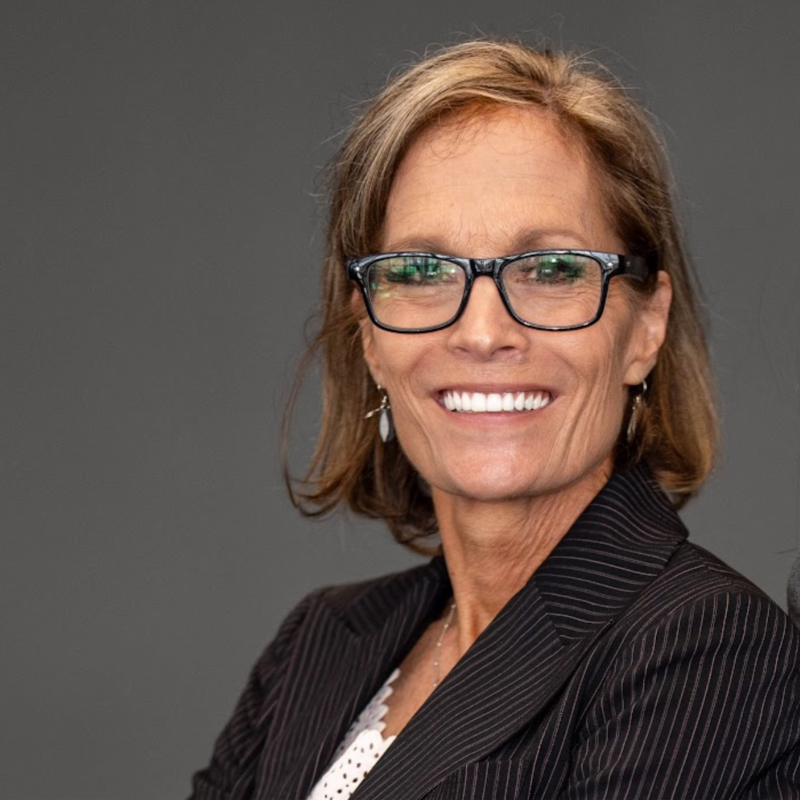
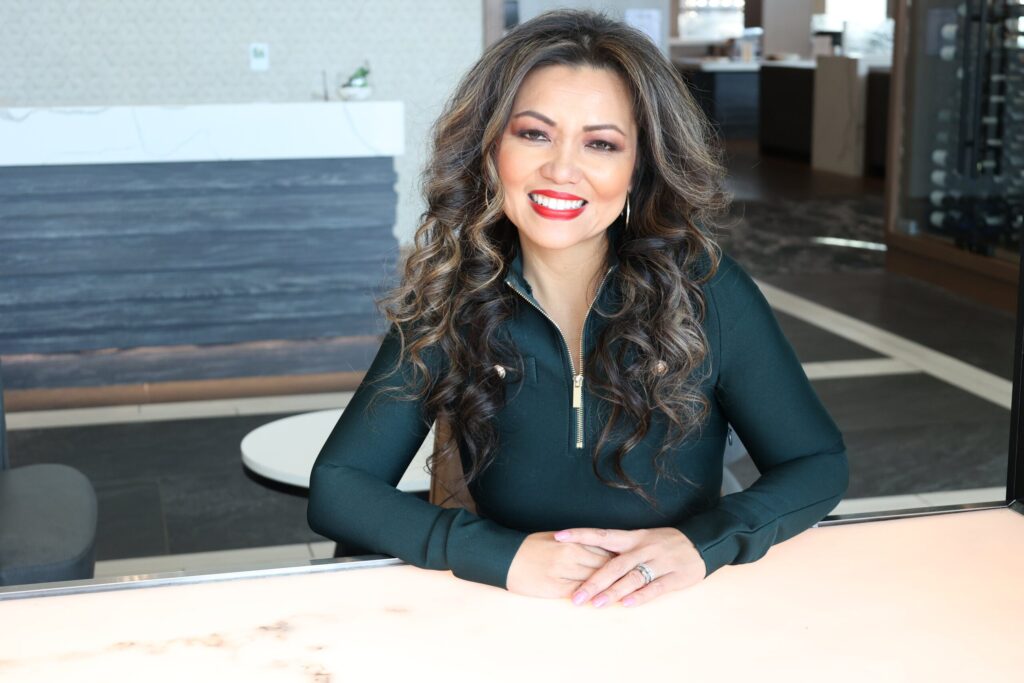
At 16, my guest today got pregnant while trying to draw a boundary with a boyfriend she didn’t even want to be with. She didn’t know how to say no, so she said yes instead, and ended up carrying a secret she told no one about for years. That’s the “ash pile” January Donovan built her entire career out of: not knowing her own self-worth, and suffering for it in silence. Today she’s the founder of The Woman School, a two-time bestselling author, and a coach with 25 years of experience helping women figure out exactly what she didn’t have anyone to teach her.
January’s whole thesis is that women aren’t struggling because we’re weak, we’re struggling because we’re untrained. She splits her work into mindset and skillset for a reason: you can say all the affirmations you want, but if you don’t also know how to build a routine, say no to social media, or communicate a boundary out loud, the affirmation falls flat every time. We get into why she thinks 95% of your self-worth is running on subconscious autopilot, why women make roughly 35,000 decisions a day and end up drowning in decision fatigue, and how to raise disciplined kids without feeling like you’re “stifling their spirits.”
January is also a mom of eight who gets up before 4:30 every morning, so when she talks about protecting your own worth without losing your family in the process, she’s not talking theory.
Watch this episode
In this episode
- Why January says most women were “never taught how to be a woman,” and the “formation” method she built to fix that
- The pregnancy at 16 she kept secret for years, and what it taught her about worth not being conditional
- The difference between mindset and skillset work, and why affirmations alone don’t change behavior
- Why women make roughly 35,000 decisions a day, and how that decision fatigue quietly wrecks a home
- How to teach kids discipline without believing you’re “stifling their spirits”
- Her take on keeping intimacy alive in a long relationship when life keeps pulling you in every other direction
Timestamps
- (00:01) Welcome and guest intro: meet January Donovan, founder of The Woman School
- (01:36) Why The Woman School exists: training women in a world that devalues them
- (05:28) The pregnancy at 16, the secret she carried, and the shame that followed
- (09:20) Mindset vs. skillset: why affirmations alone don’t change behavior
- (14:24) Undoing the lie that your value is conditional
- (18:45) What separates the women who commit to the work from the women who don’t
- (23:39) Owning your worth as the antidote to fear of vulnerability
- (27:21) Discipline, boundaries, and raising eight kids without losing yourself
- (33:36) How to sustain intimacy in a long relationship when life gets in the way
- (38:41) Where to find January: thewomanschool.com
About January Donovan
January Donovan is the founder of The Woman School, a mindset-and-skillset training program for women, and a two-time bestselling author of “Redefine Success for Women” and “This Is The Me I Choose To Be.” She has 25 years of experience coaching women, was featured on Forbes’ list of top self-worth strategists, built a multi-million-dollar business in two years, and has shared the stage with speakers including Ed Mylett, John Maxwell, Russell Brunson, and Amy Porterfield.
Learn more about her training and courses at TheWomanSchool.com.
Favorite quotes
“We have to bring honor back, what it means to be a woman.” —January Donovan
“Nothing we will do, say, changes our value.” —January Donovan
“If you’re not growing, you’re dying.” —January Donovan
Resources mentioned
- TheWomanSchool.com: January’s mindset-and-skillset training program for women
- Redefine Success for Women: January’s book
- This Is The Me I Choose To Be: January’s book
- Women’s Fulfillment Workbook by January Donovan
Related episodes
- Boundaries – Why Can’t I Set Them?: more on the fear that keeps women from setting the boundary January says she couldn’t set at 16
- People-Pleasing and the Sticky Rope: the pattern behind why so many women say yes when they mean no
- Say “No” Like It’s Your Job!: a practical companion piece on treating boundary-setting as a skill you train, not a personality trait
Subscribe & connect
If this episode gave you something to sit with, follow Phoenix and Flame so you never miss an episode: all apps in one place, or jump straight to Apple Podcasts, Spotify, Amazon Music, or YouTube. And if it moved you, leave a review; it’s the easiest way to help another listener find the show.
Learn more about Phoenix and Flame, connect with Dana, and listen to more episodes here.
Read the full transcript
[Dana] (00:01)
Welcome friends to Phoenix in Flame. I’m Dana and this is my podcast and we have an absolutely awesome, awesome guest with us today. I had been reading her bio and I have so many questions. It’s just, I just can’t wait to get started. Now our guest, her name is January Donovan. January is the founder of The Woman School, a mindset and skillset. training school for women. She has 25 years of experience coaching women and is a two-time best-selling author. Now, her books are Redefine Success for Women and This is the Me I Choose to Be. She was featured in the Forbes list of top self-worth strategists. January built a multi-million dollar business in two years. and went from zero to over 40 countries in just three years. January, welcome to Phoenix in Flame.
[January] (01:07)
Oh, thank you so much. Thank you for having me. We’re gonna have fun. I just know it.
[Dana] (01:12)
Oh my God. Now you have, you’ve shared the stage with top influencers and leaders in the world such as Ed Mylitt, John Maxwell, Russell Brunson, Amy Porterfield and others. And you say you have a powerful mission to bring honor back to being a woman. January, just start wherever you’re comfortable and we’re just gonna organically flow around and talk about all kinds of fun stuff.
[January] (01:36)
Yeah, well, you know, the reason why the woman’s school started is because I never, I just never had somebody that showed me how to be a woman. And what I mean by that is I didn’t know my standard, I didn’t know my value, I didn’t know how to show up for myself, and I suffered unnecessarily. And so my passion really was born out of my own wound. And I carried that from college through the mentors that I’ve had. And I did it for free for 15 years because I was passionate about, when I call formation is what we call in our school, which is really training. It’s, it’s, you can’t just kind of dabble in this learning here. A little bit, a little bit of, you know, reading here, athletes train. Women, I believe, need training in a world that’s devaluing them, but also simply because we are overwhelmed. And so the mission was always training women. What I didn’t realize, Dana, is that… how the women’s school became relevant in just the last couple of years. And what I mean by that is that we have data that they just did a data in Yale that in spite all the freedom that women have as a new article that just came out, women have freedom, but they’re not free. So we actually have sort of this data that’s now telling us that something’s amiss. Secondly, I think that there’s… a lot of confusion that’s happening in our culture right now with the gender confusion that the narrative and the privilege of being a woman is in some ways under attack. So the mission for me is to respect everyone’s journey and their sexuality without compromising the reverence and the dignity of what it means to be a woman. So I think there is an existential Crisis that we should have as women and say how do we not settle anymore in this life where we’re constantly running a rat race? Secondly, how do we defend what it means to be a woman in a world where? Our rights I think are dwindling down in some way and it’s slowly so that’s kind of where the mission came and began And the woman’s cool and I think I feel like it’s my call at least for today That’s what I have been passionate about. I always say it till today because I only have today
[January] (03:57)
is to say we have to bring honor back, what it means to be a woman. And it begins with us bringing honor back to who we are.
[Dana] (04:05)
That is absolutely true. I’m right there with you and we have so many things we can talk about. There’s so many things that have popped up politically. Just this morning I saw on the Today Show, just saying, you know, we can come back. But I really would like to, I really like my listeners to understand my guests. And I’m very careful who I choose that people that are on Phoenix and Flame like myself are.
[January] (04:15)
Oh, really? I wasn’t very I really what book Okay, interesting.
[Dana] (04:31)
are open, are transparent, are willing to say, you know, look, this was the ash pile that I was in. The tagline for Phoenix and Flame is pushing through and transforming even when you feel like a pile of ash. And so it’s, I think a lot of the listeners are feeling like they might be sitting in a pile of ash right now. They might be walking that place. And so help us kind of.
[January] (04:44)
That’s so real.
[Dana] (04:55)
connect with you and maybe where you started, what your experiences were in the beginning that gave you this passion, this drive, because usually when we develop a passion for something, like my passion is for boundaries and there’s a very good reason for that and I have my own story behind that, usually when we develop a passion for something, it comes from that pile of ash that we’re trying to transform ourselves out of. What was your experience with that in the beginning? What gave you that drive and that passion to stand up for women?
[January] (05:28)
Okay, so I’m gonna be really raw and real and it’s gonna shake maybe some of your audience, but it’s really my ash. It’s the truth is that at 16, I had a boyfriend, I had one boyfriend that’s the only, I never even understood what it means to have a boyfriend, how to find the right man, your sexuality, and I get pregnant at 16.
[January] (05:59)
I get pregnant in the process of trying to draw boundaries from a man I didn’t want to be with because I didn’t know how. I felt bad. I didn’t want to be in a relationship with him. He was a good guy but not good for me. In the process of not knowing how to draw that boundary and defend myself, I get pregnant and had my abortion. I didn’t tell anyone. It was a suffering that I endured. And I have deep compassion for women. that are shamed for what they’ve done. But I also know, have come to my own journey that women who don’t have life cannot choose life from within because I was at the bottom of the barrel. And that’s my experience. My experience was, it was shaming and I couldn’t talk to anyone. I had a kind of a difficult relationship with my mother. three months You know, that was just one symptom. There were so many things. I didn’t know my self-worth. I didn’t know how to make a decision. I was anxious, I was stressed. So compounding that, I think it boiled down to I was disgusted with a woman that I was becoming. That’s, it’s a combination of all these things, but the problem is I didn’t have any way to turn to. Like I was suffering in silence, but what I also realized, I met a mentor in college.
[January] (07:54)
freshman year. At that point I was looked great on the outside. I mean you know in terms of like you seemed like everything was good but I was a zombie inside for multiple reasons. I met a mentor my freshman year college and said Jan you’re what kind of woman do you want to be? She was a mentor to all these women and I just came to her and I remember laughing at her. Elena just part of my story or rode by on the book and I said you don’t have a choice. He said yes you do let’s design you. For three and a half years, I met with her every single month, except for the summers, because I was home from school. And I had to hand in my homework. I still have my homework. I show women this all the time. My first homework was to get rid of comparison and competition, because I was so lonely. And I didn’t know how to be a friend. I didn’t know how to find friends. Second was to make my bed first thing in the morning to feel accomplished as a woman. Third was to create a routine that got me up. 4.30 in the morning, I had. planned, prayed, exercised, ate healthy by seven o’clock, I had accomplished great things, and that was most of my college years. She was my accountability. And so what I was born out of that was that women, we have it in us. We just have never been shown how, and we are suffering because we lack the training. Overwhelm means we are underskilled and under trained. And I was that woman. And I know I was not alone, and that really became my passion. As I said, coaching women. I just gave what… I just gave what I was given.
[Dana] (09:20)
That’s beautiful. I noticed that when you were describing your, the school, you divided out mindset and skill set. And I was drawn to that. And I really wanted to hear you share with us why you did that and what, what is mindset versus skill set for you.
[January] (09:31)
Mm-hmm. Yes. Yeah, great, great question. I think they have to work hand in hand, but understanding our mind is so important in also developing the skillset. So the best way for us to sort of describe it is that I can give you affirmations all day, just think positive, right? Think positive all day, be grateful, and you do your affirmations, but if you don’t know how to develop a routine, and if you don’t know how to say no to social media, if you don’t as a skill. Right, which is connected in your mindset. It doesn’t matter if you’re training your mind to be positive, to be grateful, to accomplish great things in your life, to be happy. You still have to physically execute the necessary skillset to actually uphold the new mindset that you’re trying to achieve. So it works hand in hand. The distinction matters because what we teach in our school is that you can rewire the 95% of your brain, your subconscious conditioning. And when you rewire your brain, then it’s easier for you to actually acquire the necessary skill which is a habit. So that’s why I think it can’t just be skill after skill. You’re not thinking about what you’re thinking as well. I think the brain is the most powerful. It’s a supercomputer, our mind. So that’s the reason why we teach hundreds of skills in the women’s school. You know how to pivot from when things don’t work out but then your mindset needs to be shaped right alongside but you need to know what to say. So even boundaries, women, you know, and I’m sure you’re the expert in this, is that I teach women you need to know your line, but the skill is to know how to communicate your line. 7% works, 38% tonality, 55% body language. I can know my line and say, I don’t like when people do this, but unless you know how to communicate effectively, you could be resentful. Does that make sense?
[Dana] (11:31)
Yes, absolutely. I mean, that’s, that’s a really, I just love the connection that you’re making there. And in some ways, the skill set once you’re coached and helped, the skill set is an extension of the mindset. It’s kind of like a manifestation of the change what’s happening in your mind.
[January] (11:46)
Yeah, I do. Correct. Mm-hmm. Yeah. Yeah, and it’s your body being able to actually do it in a more fluid way as opposed to, and it’s really, a lot of it is understanding how our minds are created. I think it’s beautiful in the last 30 years we’ve had neuroscience to help us kind of understand the brain, which I think is helping us. But then you really have to develop the skill, the how to, you know, for example.
[January] (12:16)
I teach my kids, I’m like, you can clean the counter in three minutes, not 20 minutes. And I time them. No, but if you think about it, you know, like it sounds so silly, but women suffer because they don’t have order in their home. Just, you know, order in our home. So we make 35,000 decisions a day. By the time they go out to work or, you know, take care of other things, they’re literally, it’s decision fatigue. Because how do I do this? How do I do this? So all that plays in.
[January] (12:46)
into how we actually show up and that’s the most challenging that I think that I do is that you can’t just teach one skill. It’s like a web. You know to learn how to make decisions you have to learn also boundaries, you have to learn to develop a routine, you have to learn how to pivot, you have to learn how to honor your value. Those are skillset and I think skills also give women kind of this idea that it’s possible. So I love what I’ve learned.
[Dana] (13:15)
That is such a blessing, you know, to be able to get to do what you’re so passionate about. I can hear that in your voice. I can see it in your face. I know what that feels like for me with the boundaries and why I’m so passionate about that. Now, I do know, and I’m going to ask you a question about the kids here in just a minute because I happen to know you have eight. So we’re going to, so you know what you’re talking about. So we’re going to get around that. But I also wanted to hear you.
[January] (13:33)
I know.
[Dana] (13:42)
and hear your wisdom on when a woman comes to you and she’s trying to say the words of affirmation but she just doesn’t believe them. You know she’s like you know January or are you referred to yourself as JR earlier or whatever they how were they okay. So if they’re looking at you and they’re like I’m trying to say all these positive things.
[January] (14:00)
January, I think, Janney, sometimes Janney, February works, whatever works. Anyone really, I’m easy.
[Dana] (14:12)
And I’m trying to affirm myself, but there’s a part of my mind that’s just going, you can say that all you want to, but I don’t believe it. So what is your wisdom for those kinds of women? And I’m sure there’s some that are listening now that they’re thinking this is fabulous and I can say these things, but truthfully, in my heart of hearts, I just don’t believe them. What do you say to them?
[January] (14:24)
Yes. because the first work we need to do is to undo the lie that our value is conditional. It’s actually the first thing that I do with one. Here’s what I mean. I can say I’m good, I am kind, I’m, you know, all this affirmation, but if we don’t believe in the 95% of our subconscious conditioning that we are an irreplaceable, valuable human being, that nothing we will do, say, changes our value, affirmations are gonna fall flat. Here’s the metric of what we revere in our culture today. What is it that we say, what makes human, what would, what do we revere in women today? Perfection, popularity, your power of position, how much money you make, wealth. And so women have been conditioned to believe that that’s what makes them important. So unless a woman literally is trained, and I say trained, to say, Nothing external changes my value. I’m gonna give you evidence that you’re valuable simply because you exist. You have to give them biological evidence that their brains, 100 billions of neurons and the probability of those neurons connected together is so unique, it’s so rare. Nobody will ever have those combinations that you were born a specific time in history and with unique set of parents experience, you have to give them a biological evidence. that their value is so vast, it’s so unique, that they are an irreplaceable human being. But see, that’s into your work. You’ve gotta sit with yourself because for so long, you’ve been told you’re only valuable if you make this much money, if you’re this skinny, if you get an A, if you get in this school, and if you get this man, all external things that we aspire for because they’re good, but it doesn’t do you any good. So that’s, I think, primarily is that. And that’s why you have to own your worth. And that’s the first interior work that I think. And then the affirmation, into the second part is that when you go to your affirmations, even if you fail, you know, my failure doesn’t define my value, my worth. I’m not this, that’s okay. Okay, so that’s the first thing. But the second thing is that helping women understand with the skillset. So I can say, I’m grateful, I’m grateful, I’m grateful, I’m beautiful, I’m beautiful. It isn’t going to be a lie. if you actually are not interiorly developing the skill set necessary to believe that affirmation. I’m wealthy, I’m wealthy, I’m wealthy, but you’re not developing a routine. I’m kind, I’m kind, I’m kind, but you’re not managing your thought. Do you see what I mean? The affirmation without the development, what we call in our school formation, it’s like one of my favorite words, it’s formation is the development of both your mindset and skill set. in order to form your will to choose your highest good. If we trained women with both mindset and skills to form the highest good, affirmation’s gonna follow.
[Dana] (17:40)
See, I haven’t, you mentioned the word train and I said I’m gonna get to the kid question and I am but I’d say January I knew this was gonna happen I knew it the more you talk and I could tell from reading your bio that I was just gonna have amazing we were just gonna have this interact so that the training you said earlier and I’m a hundred percent in agreement with you but I want to hear you know your thoughts more about how people kind of play at it because I see sometimes people do this with therapy.
[January] (17:55)
I love it.
[Dana] (18:08)
maybe they go to therapy because someone else told them they needed to go or they’re kind of uncomfortable, you know, but they’re not in enough pain. And so they sort of play at it. They might come once or once every month or whatever, but they don’t ever commit and really do the work, the training work. And you were kind of mentioning earlier that you had, I think you were saying that you had experienced something similar. and your attitude about training in the women’s school. Tell me your experience with that and what the women are like that commit versus that don’t commit.
[January] (18:45)
The women that commit are actually women that know what they want and don’t want. The women that commit typically is because they have taken the time to discover a bigger dream that they don’t know how to achieve. This is why it’s so important for women to discover the deepest desires of their heart. Not what you want, like what you really want. Because our dreams fuel our discipline. Like why should women want to invest in themselves if they have nothing to fight for? Why? But see, the first thing that we have to kind of take a step back and say, what do I really want? But now, it’s also important to give women, in the women’s school we have the different parts of the arena, I want to be happy, I want to, no, what do you really want in every part of your life? What do you really want in your health, in your mental health, in your self-image, in your wealth, in your… family life, you have to sit with the pain of perhaps undiscovered desires. So those that commit is because I think they haven’t gone to the deepest part of their deepest desire, which is by the way connected to your purpose. You will not discover your purpose outside of the deepest sides of your heart. I’m sitting here with eight children. I get up at four in the morning. I’m able to work without compromising my family because I know what I want.
[January] (20:21)
How many women today, Dana, were never given the privilege, and I say that privilege, to take the time to sit with who they are, what they want, why they’re here. We go, go. Do, do, do. Serve everyone else at the cost of our deepest desires of our hearts.
[Dana] (20:41)
That is absolutely 100% correct because what I’m thinking as you’re talking is that it seems that we are conditioned from a very young age to focus on other, to be everybody else’s supporting actor, to be the wind beneath everybody else’s wings, but not really have our own desires, our own dreams. And so we go through life without really… that some, I would imagine some women, if you asked them, what is your dream? They would just look kind of cock their head to the side, like, I don’t even know what you’re talking about right now.
[January] (21:16)
Correct, correct. Part of it, the battlefield is the language. So when you go into the woman’s school, the first thing you’re gonna be kind of hyper aware is a whole new language. Because we are aching and we are desiring without any language for it. We don’t even know what to say, we don’t know how to call it. And I think you touched on something so beautiful. One of our greatest gift actually is our ability to give. generosity, we’re giving from a very young age, we’re conditioned to give, to give, give. And I think that is a beautiful thing, but the problem, it’s not ordered, what I mean by that. You cannot give without first receiving. So women are giving from an empty cup, we’re giving everything, but they actually don’t know how to nurture themselves. And the way we think of nurture, at least in the West, it’s like self-care, go do shopping therapy, it’s in a very physical,
[January] (22:12)
Shallow level True nurture is to really nurture yourself your being your soul. What does it look like? And that’s why I think we need a new narrative of friendship in our community in our in ours You know in our in our world in our society because friendship have become so shallow. It is void of depth of nurture We don’t know how to be friends We don’t know how to ask the right question. How is your heart? What’s the struggle? You can be with somebody for three hours in a party and never go deep enough to nourish the depth of a human heart. That’s why loneliness is an international epidemic in a social media world. I mean, we’ve gotta look at this data and say, what is amiss?
[Dana] (22:57)
Your point is absolutely spot on. And my question to you is, again, as you’re talking, my brain is processing what you’re saying. And I’m thinking the women, at least the ones that I end up speaking with, sometimes the reason why they don’t have closer relationships is fear of vulnerability. They are scared to death to reveal to someone else who they really are. and so they’re kind of guarded and that limits their friendships. What is your suggestion for how to help a woman to allow herself to be more vulnerable so those deeper friendships can take place?
[January] (23:39)
She has to own her worth. The reason why she’s fears she can’t be vulnerable because her value is connected to what people think of her. Her value, she’s afraid of not being accepted because she doesn’t know her value. It goes in, you know, so much, I go into this deep work because I truly believe that so much can be traced down to the fact that we don’t know our value and we’re underskilled. So when a woman’s sitting there and I’m afraid to be vulnerable, why? Because you think that when you’re not accepted, when somebody rejects you, that encroaches on your value. Sure, it hurts, but it doesn’t lessen the fact that you’re an irreplaceable woman that has a unique and irreplaceable purpose, that if you don’t fulfill who you were created for, there is going to be a missing hole in the universe. That’s how important you are. But I can tell you that through your balloon. because that lands in the 5% of your brain and that’s why it’s training. It’s gotta land in the 95% of our subconscious conditioning that it’s so habitual, it’s so automatic, it’s like driving, you don’t think about it. It’s a language, to know our worth is a language. It’s like when you first knew this was a pen through the process of repetition, if I go, Dana, this is a banana, you’re like, January, of course it’s, right? But it’s the same thing. If I tell a woman you’re valuable, but she’s been told she’s only valuable if and when she gets an A, it doesn’t matter what I tell her. It doesn’t, if her mother has told her she’s valuable, if she wears X, Y, and Z, or if her mother makes her feel more loved, unknown to the mind when she scores a goal or is an A student and she feels less lovable, conditional love, right? When she does this or when she’s popular, that becomes her language of her worth. So how do you undo that in your plasticity? It’s the rewiring of a woman’s worth she has at the core level needs to understand that her worth is unconditional. It is her greatest wealth.
[Dana] (25:46)
That is so true and fabulous. And I love the way you word it. And I love your vantage point, your take on this, because I’ve seen women struggle. And I absolutely, I’m right alongside everything that you’re saying. You know, I was going to, I mentioned kids earlier. And I was listening to you describe how you interact with your children. And I know sometimes we have some women that are raising children. 2024, and they seem to, how do I want to describe this? They seem to not want to apply any discipline. They seem to want to, they think they’re supposed to, they’re trying to do the best they can, but they think they’re supposed to allow the child to dictate everything. And they’re just sort of like something on the side to… whatever the child wants to do sort of like a cook or a maid or you know they’re not even and they’re not really involved and they don’t feel like they have the agency or the right to say to their child you have three minutes to wipe off this counter and I’m going to set my timer you know they kind of define that as oh I can’t do that because I might be stifling their spirits kind of thing and so you are raising eight And so you are definitely on a platform where you’re, what you have to say is clearly valuable on that. What are your thoughts? What do you say to these women that feel like they’re always secondary to the children and they can’t apply discipline?
[January] (27:21)
Um, first thing is that it goes back to when a woman doesn’t know her value, she places her value in her child’s approval. Therefore she can’t communicate boundaries. So much to know the work goes back to your self-worth. So, but the problem is that women have, don’t even have the language to examine how they actually are doing this subconsciously. So they’re waiting for the child’s approval or they put their value on how they mother through the more I can give to my children. that makes me feel like I’m valuable. All this is happening subconsciously. That’s why a mother doesn’t know her worth. She will inevitably raise children that are going to suffer in the future, unnecessarily. So that’s the first thing is that we as mothers need to check is my value based on the approval of my children or how I am as a mother? Because if we cannot own the fact that we’re gonna make mistakes as a mother and that our children will make choices that are going to shame us, but it’s not me. I’m valuable as I am, but they’re their own people.
[January] (28:20)
Their failure does not make me less valuable and less important. So I think that’s the first work. The second work is that women really are not trained to be mothers today. Like we just automatically assume that just because we’re born a woman, we know how to be a woman. Just because we birth a child that we know how to mother. Imagine a culture who doesn’t know how to honor their boundaries, honor their worth, manage their mind and that becomes the mother. So. Most women today are suffering in their own motherhood. We have falsely created a narrative that motherhood is hard. It’s a death of your dreams. When I believe it’s because we’re under trained and we’re not actually living the way we ought to live as mothers, not because we don’t want to, but we don’t know how to. And part of it is discipline. And number three, to those mothers out there that think that their child can do whatever they want, I would just challenge the thought that if We are raising undisciplined children. How is the world going to honor their value? An undisciplined child suffers unnecessarily. It is going to rob them of their purpose of deep friendship because if a child grows up without discipline, without those boundaries, who’s gonna wanna be around them? You are setting them up for a lonely life without… purpose without meaning because they will blame everyone else except for taking responsibility. And I would also add that mothers are doing this with good intention. You know, we want to be able to give the best to our children, but the question is, what is our highest best? Is it to give everything to our children, but to equip our children with the right mindset and skillset to become their best?
[January] (30:16)
But see, ultimately you cannot give what you don’t have. An undisciplined mother cannot discipline her child. A mother without boundaries won’t even have the capacity and the awareness that their child lacks boundaries. More importantly, this is not one and done. You know, I think the narrative is that we are a student for life and that we are constantly studying ourselves, the people around us and our culture. That’s the narrative shift is that, you know, we’ve kind of made affirmation as a way of life and maybe prayer, meditation. I want to be able to introduce and say study ought to be a way of life. If you’re not training daily, how are you supposed to manage the new circumstances and the challenges that come your way? Any challenge just means you’re underskilled. There’s a new skill that needs to be layered. You know, like boundaries for me with four children under four look different than boundaries with eight children running a business and making sure I honor my husband. So it’s a I tell women as I still get up before 30 in the morning to study. I’m not saying that to impress anyone. I’m trying to say that to impress upon you that behind a beautiful life is a woman hard at work on her into your discipline. There’s no way around it. Olympians are not
[Dana] (31:18)
Yeah.
[January] (31:41)
They’re born, they’re made, but they came with a raw potential. And that’s why I tell women, this is the Olympics of our lifetime. You either train your life to your fulfillment, or you waste the only life you have. Choose your sacrifice.
[Dana] (32:00)
that such wonderful, wise, wise words. And I have an ear for when someone’s full of it or they’re saying something because I see so many patients and I’ve been doing this for so long and everything that you’re saying is in my mind spot on and useful and helpful. I have one more question for you and I know our time is up but I just can’t, I’m just gonna keep going for a few moments because I have…
[January] (32:11)
I’m sorry. I have time, so you can keep going. I’m loving the conversation, so thank you.
[Dana] (32:28)
Hahaha! The one question and then I’ll make sure that my listeners know how to get access to you because I’m certain they’re going to be like, oh my gosh, I’ve got to get a hold of January. So I, the question is how to sustain intimacy in your relationship because I see this as an issue. I see people that nobody else would know, but they’re, they’re a husband and wife or, or significant, you know. partners or whatever and their sexual life, their intimacy with one another is just dust. It’s nothing and it has a huge impact on their relationship but other people are not going to know that because they kind of go about their business and they do their things but I see it in therapy. I see the ramifications. I see what it’s causing. So I’m interested in from your take and from your experience. How do you sustain intimacy in these relationships when there’s all these other things going on pulling and tugging, we’re so tired, we’re so aggravated, there’s issues? What are your suggestions?
[January] (33:36)
Well, I think that if a woman’s not growing and a man’s not growing, there’s nothing novel in your relationship. So what I mean by that, if you’re not learning a new skill, you’re not developing your mindset, you don’t have a dream, imagine a couple that’s kind of being stagnant. What do they have to offer when they come together? So the sexual part of it is almost just a symptom of something I think bigger. They have become uninspiring to each other because they’re not investing in anything new that creates novelty that when they come together, the intimacy is greater because it’s beyond the physical. It’s spiritual. You’re like, oh my gosh, what did you learn today? And so I think if couples invest in their own growth, inevitably they come in together and there’s something novel in a relationship and you become inspiring to each other because then you’re sharing and you’re growing together. Because If you’re not growing, you’re dying. That’s just what is. The problem is that it’s an easy excuse because there’s so much going on. Like I have eight children and I have to make a conscious effort to say, I need to make sure that my husband’s lunch because that’s important to him. I make that a priority, more than I make a priority to my children’s lunch. In the micro details, I have to choose him amidst the 35,000 decisions that we all women make every single day to say, I love you so much.
[January] (35:03)
that I am investing in becoming a new version of myself every single day, and that in the details of who I am, I am developing myself so that I could come to you. and the best of who I am. And that I’m not the same woman yesterday. I’m a better version of myself today. To me, I think that’s how you prioritize your man. They’re not more important than your children because your children will grow. Your man will be there or won’t because you haven’t prioritized each other. That’s why I think couples that grow together is really, is the only way I think to move forward. And you grow skill set together. And the last thing I would say is that couples need to learn how to dream together. And what I mean by that, it’s there’s a difference between goal setting, Dana, and dreaming. Dreaming is to aspire for something you have not done before. That it’s both scary and exciting. And the reason why that’s important because it pushes a couple to new heights. Right? And so it’s novel, it’s exciting, there’s an adventure. And we are not taught how to dream. And so I think quickly the distraction then allows that intimacy to fizzle. The dream is a fuel to a life together.
[Dana] (36:29)
Mm-hmm. That is very true and very inspiring. I see so many couples that just get caught in the drudge of every day and they don’t make space to be inspired and to grow. And I love the comment that you made, if you’re not growing, you’re dying. And that, see, people think, well, if I’m just status quo, I’m not growing or dying. But from what you’re saying, if you’re not growing, then you’re dying.
[January] (36:58)
You’re just.
[Dana] (36:59)
And it’s one of the, and if you think about plants, if they’re not growing, they’re dying. It’s one of the two. And I think that’s an amazing, an amazing inspirational statement. If you’re not growing, then you’re dying. So listeners.
[January] (37:03)
Yes. And I think when people are unfulfilled, I just, it’s important, I think people are unfulfilled with their lives and they come into the marriage, the other person then becomes the blame. Like there’s just something that, maybe you’re not fulfilling your purpose, maybe you’re not fulfilled because there’s something amiss in your life, maybe you’re not fulfilled because you’re not taking care of your mind, your body, then if you have no language for it, who is the person to blame? The most intimate person in front of you. An unfulfilled person can wreck.
[Dana] (37:23)
Mm-hmm.
[January] (37:41)
havoc in society. Fulfillment is key to our society’s, I think, flourishing. Why do people commit murder? Why are these children shooting? There’s something that they’re not fulfilled in. An unfulfilled woman is very dangerous to herself.
[Dana] (38:04)
and to everyone around her. And so then the question becomes, how does someone become fulfilled? Which is how I’m going to direct my listeners back to you because I’m the kind of person that whether I’m listening to someone give a presentation or a sermon or fill in the blank, I’m the one that’s sitting there listening going, hmm, well, this sounds great. But how does that happen? How do we do that? What are the steps between where we are right now? And how do we get to where you’re talking about? So
[Dana] (38:37)
What I have is your website is howt Is that where you want them to go?
[January] (38:41)
That’s actually that’s one of our free courses, an introduction to training, but it’s really the woman’s school.com
[Dana] (38:45)
Okay. Okay, the woman school.com.
[January] (38:50)
school. That’s where we have our courses and the way we design our school is that it’s there’s we have a core form model. You have the course, you have the coach, the community, and you have your commitment. If one of those fails, it’s you can’t do it. Like we need, that’s why you know information alone can cause a lot of anxiety. We need the accountability, we need to support the community. So that’s I think what our school does. It gives you the model. for sustained transformation and not a quick fix.
[Dana] (39:22)
I love this. I love that. The support because information overload is devastating. We get we just get sucked under. We’re in a riptide. We don’t know up from down. So January this has been I knew it. I knew it when I when I ran across you and I read your bio. I thought this is going to be so good. It’s going to be fun and it’s going to be poignant and inspiring and I thank you for your ability and your willingness to be honest and transparent and share with my listeners your experience when you were younger and how you got to be in the place you are now. And you’re so humble and with everything that you’ve accomplished and you’re very real and you’re there to help other people kind of come along and bring them where you are. So thank you so much for your time and your wisdom that you have shared with me and my listeners today.
[January] (40:17)
Thank you. It’s an honor. Thank you for your kindness and your humility and your openness. I can experience your joy. It’s it’s, it’s a fruit of your interior work and I, I can feel that. So thank you.
[Dana] (40:30)
This is fabulous. Listeners, I know that you have heard so many things today that you’re thinking, oh my goodness, I have a friend, I have a coworker, I have a relative that needs to hear what January has to say. Take this podcast and copy and paste the link and text and email. Put it on your favorite social media sites. Get it out there. Spread the word. Grow the Phoenix and Flame community so we can reach out and know that we are not alone. We are together on this journey. I hope the rest of your day is fabulous. This is Dana on Phoenix in Flame.
Are your work boundaries supporting you—or quietly draining you?
Take my free Work Boundaries Quiz and find out where you stand.