First aired May 24, 2026
Picture coming home to a business card tucked into your door jamb. It says “coroner’s unit, robbery unit,” with a handwritten note: call me please. That’s how my guest Mandi Pratt found out, a year after leaving an abusive marriage, that the FBI had been hunting her ex-husband for six to nine months, for a string of bank robberies. If you’ve ever wondered how to trust your intuition after trauma, when your own mind has been trained to doubt itself, this is the episode that shows you how, from someone whose story was on the news twice.
Mandi transformed that plot twist into a framework for self-leadership and resilience, and now helps individuals and organizations understand how stress and survival responses affect decision-making, boundaries, and wellbeing. We get into what “survival mode” actually looks like when you’re a single mom of a toddler with a criminal case unfolding around you, why validation (not advice) is what actually cuts the risk of complex PTSD, and Mandi’s simple “happy list,” a menu of go-to things that help her regulate when she can’t think straight enough to help herself.
Twenty years out, Mandi is remarried, her son is grown, and she’s still learning what it means for a nervous system to finally feel safe enough to rest.
Watch this episode
In this episode
- How to trust your intuition after trauma, starting with Mandi’s first step: learning to actually pause
- What “survival mode” really looks like when you’re a single parent with a criminal case unfolding around you
- Why validation, not advice, is what actually cuts the risk of complex PTSD (and what it sounds like)
- How to vet the people you lean on after abuse, and why “are you sure? he seems so nice” does real damage
- Mandi’s “happy list”: a pre-made menu of things that help, for the days you can’t think straight enough to choose
- Why your body can fall apart once it finally feels safe, and why that’s not a setback
Timestamps
- (00:01) Welcome and introducing self-leadership expert Mandi Pratt
- (01:52) The FBI business card in the door jamb
- (03:24) Learning her ex had been robbing banks for months
- (07:19) Survival mode as a single mom: no time for emotional processing
- (08:21) Institutional betrayal, and why the resources just weren’t there yet
- (11:15) Leaning on pets, movement, and time outside when talk therapy wasn’t enough
- (12:36) Why intuition alarm bells get rationalized away, especially for women
- (15:29) The patterning that keeps trauma survivors from saying no
- (18:03) Why validation alone cuts complex PTSD risk by three times
- (21:11) The pile of ash: finding the “light at the end of the tunnel” one micro-step at a time
- (25:19) Moving from fight-or-flight, and why it took 20 years, not 20 days
- (29:14) The “happy list”: Mandi’s go-to menu for regulating on the hard days
- (31:41) Where to find Mandi, her intuition quiz, and her free five-day challenge
About Mandi Pratt
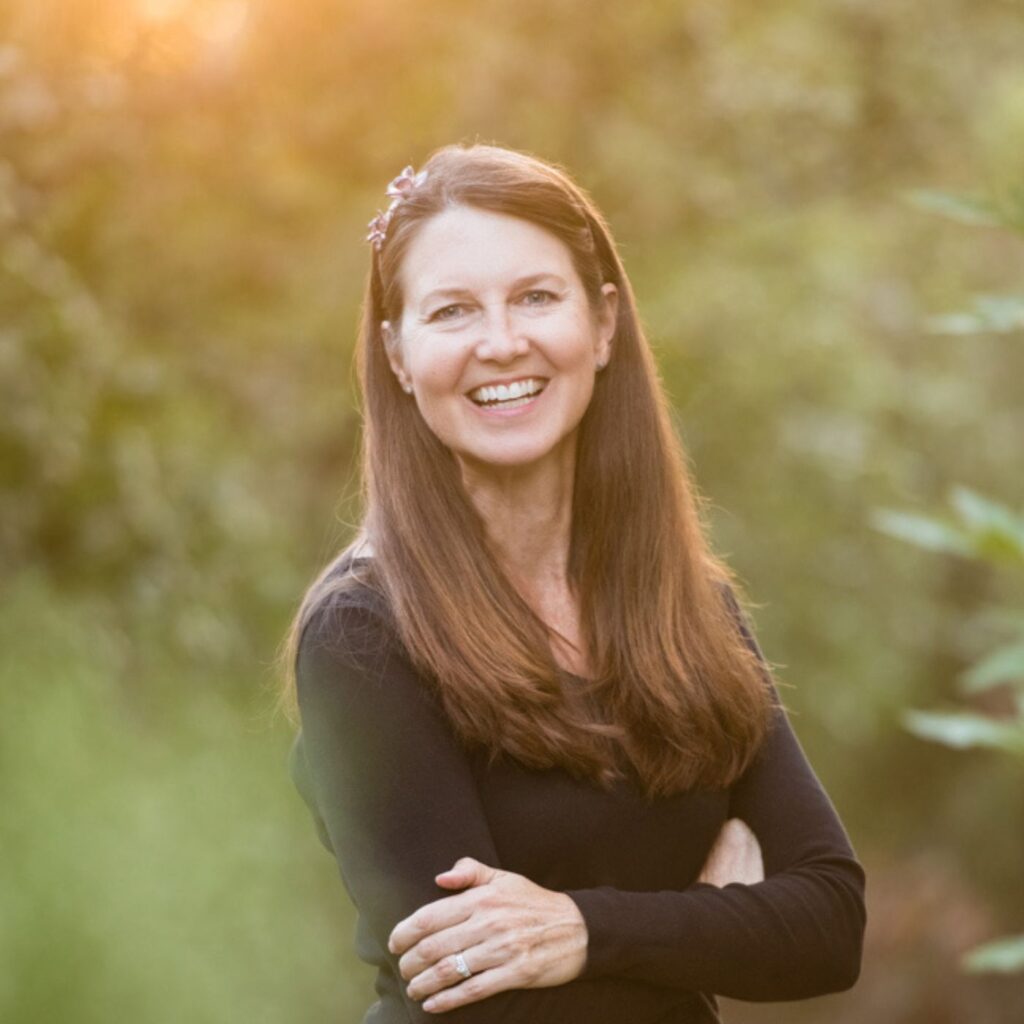
Mandi Pratt is a speaker and self-leadership expert who turned a life-shattering crisis, leaving an abusive marriage only to learn her ex-husband was wanted by the FBI for bank robbery, into a framework for helping individuals and organizations move from fight-or-flight into clarity, confidence, and inner stability.
Take her free intuition quiz at womenawareandprepared.com/quiz, or learn more at mandipratt.com. She’s also on Instagram as “Women Aware and Prepared” and on LinkedIn under her own name.
Favorite quotes
“Even with unhealthy relationships, a lot of times we will get those intuition alarm bells going off. But a lot of times we rationalize it.” —Mandi Pratt
“You don’t have to keep living that way. You don’t have to keep hustle, hustle, hustle. Your nervous system can’t take that anymore.” —Mandi Pratt
“If you just validate, that sounds so hard, and I am so sorry that you’re going through that. I hear you.” —Mandi Pratt, on what actually helps someone in crisis
Resources mentioned
- Mandi’s free intuition quiz, plus a five-day challenge to strengthen your intuition after taking it
- MandiPratt.com: Mandi’s site
- Mandi on Instagram and LinkedIn as “Women Aware and Prepared” / Mandi Pratt
Related episodes
- The Hidden Tactics Narcissists Use to Control You: More on the post-separation abuse and manipulation patterns Mandi navigated with her ex.
- Surviving Gaslighters and Manipulators: A companion look at rebuilding trust in your own perception after abuse.
- How Unresolved Trauma Is Ruling Your Life: More on why the body keeps score long after the danger has passed, as Mandi describes.
Subscribe & connect
If this episode gave you something to sit with, follow Phoenix and Flame so you never miss an episode: all apps in one place, or jump straight to Apple Podcasts, Spotify, Amazon Music, or YouTube. And if it moved you, leave a review; it’s the easiest way to help another listener find the show.
Learn more about Phoenix and Flame, connect with Dana, and listen to more episodes here.
Read the full transcript
[Dana] (00:01)
Welcome friends. Whether you’re out on a walk, running errands, or relaxing at home, it’s wonderful to connect with you. Joining us today is Mandi Pratt. After a life-altering personal crisis that forced Mandi to trust her intuition and reclaim her sense of safety, Mandi transformed a profound plot twist into a framework for self-leadership and resilience. Today she helps individuals and organizations understand how stress and survival responses impact decision-making, boundaries, and wellbeing. Mandi, welcome to Phoenix and Flame.
[Mandi] (00:50)
Thank you so much. Thanks for having me, and hello to everybody who’s listening.
[Dana] (00:54)
This is fantastic, this is going to be so much fun. And guys, you need to know that Mandi is also a Mic Drop Academy graduate, as am I, because I’ve had several Mic Drop Academy graduates on my podcast, it’s just such a wonderful, lovely sisterhood of women who are high performers, professionals with a heart for people, a heart for service. So it’s lovely to have that connection, and to know we both went through that together. Mandi, that is a lot, you have been through a lot and transformed it into something wonderful. So what I’d like to know, and you can start wherever you’d like — if you want to start with what you’re doing now and weave back, or start at the beginning and say, this is kind of what my
[Dana] (01:50)
beginning stages were, and this is what I built from that. Whatever is most comfortable, and we’ll weave our way around.
[Mandi] (01:52)
Yeah, let’s start backwards, so we can start with the past and move to the future. How’s that sound? I know you were asking, in your podcast you share a lot about what absolutely burned you to the ground and made you start over. For me, that was about 20-plus years ago. I had left an abusive spouse. I had a toddler.
[Mandi] (02:27)
So it was quite tricky, as it would be. So we left, but the kicker was, a year after, I came home to the house we were staying at, only to find a business card tucked into the door jamb. It said coroner’s unit, robbery unit, and it had a handwritten note: call me please. And I was like — my heart dropped into my stomach. I knew who it was about, it was about my ex, but I didn’t know which topic, like coroner, robbery. So I immediately went into the house and called the number. I sat there by myself waiting to hear what was on the other line, who are you and what is going on. He introduced himself as an FBI agent.
[Mandi] (03:24)
And by the way, ma’am, are you aware that we’ve been searching for your — I hope he’s your soon-to-be ex-husband — because we’ve been searching for him for the past six to nine months, for bank robbery. And he could tell I was completely dumbfounded, because I was silent. Like, am I in a nightmare right now? I had no idea. And I
[Mandi] (03:51)
was just listening to him, and then he said, we don’t need your corroboration, but can I come talk to you at your house tomorrow morning? And I said, yes, just come over, let me know what’s going on. I still remember him standing there at the door with his briefcase, and he came in and sat down at the kitchen table, with all the photos from the banks. And there was my ex, in the hat we would share on trips to Mexico, the shirt I bought him for Father’s Day. It was definitely him. The agent went on to list out all the different dates and times and locations of each of the banks, and there were so many I couldn’t keep up. I was just trying to connect my head to — was thinking, if I write it out, is this going to make sense somehow? And it clicked, and I realized, oh my gosh, these are
[Mandi] (04:52)
locations and dates and times, after he had had a supervised visit with our son. I talk a lot about power and control and that whole dynamic, and I now know that was him trying to grasp that control and power, and he had unfortunately developed a gambling problem. That’s kind of where all that came about. But that day was the day, I would say, when everything definitely burned to the ground. I thought it was already burned to the ground, but it burned even more. I was like, okay, so now I’m not just dealing with post-separation abuse from this person, I am now dealing with a criminal element. And they also weren’t sure if he was working with somebody else, or if he owed people money. So I’m in this whirlwind. I had this toddler, I’m a single mom trying to raise this kid by myself and get out of that cycle of abuse and heal from that, but there’s all kinds of stuff still happening. That was so, so difficult.
[Dana] (06:01)
And life just goes on. I’ve talked to people and I’m curious about two things. One, that moment where you feel like the earth just tilts on its axis a little bit, where you feel like, what is happening right now, your mind can’t even process it. I hear the words, but I don’t comprehend, I can’t process. And also what it’s like to have to
[Dana] (06:31)
keep living — life goes on, the sun comes up the next day, it just keeps going, and you have to keep buying the food and brushing the teeth and fixing the mac and cheese despite all of this. What was that like for you in that particular phase?
[Mandi] (06:41)
Yeah, it was horrible. And a lot of people didn’t even get what I was going through, because this person was very charming and manipulative. So when I stepped away and said I was divorcing him and leaving, people were like, wait, what? It was really only a couple of people who had gone through something similar who got it, who I felt like could help me get through that.
[Mandi] (07:19)
So it was really, really difficult. And like I mentioned, I was also trying to raise a little kid. So I had to go into survival mode, because, like you said, I had to get up out of bed every morning, I didn’t have the luxury of staying in bed and feeling sad or mad. I just had to keep going, because this little one is awake and he needs food, and he can’t help himself.
[Dana] (07:49)
Pro and con, I would imagine — you didn’t really have a lot of time for emotional processing, but at the same time, you didn’t have a lot of time for emotional processing. Pro and con. And I’m wondering at that time, would you share maybe who were some of your support people? Because I’ve walked a path of my own,
[Dana] (08:16)
where people outside the immediate circle, they don’t get it, they don’t understand, they frequently don’t approve, don’t accept it. So then it kind of leaves you without validation, without support. For you, did you have anybody, did you have some people that were there?
[Mandi] (08:21)
Yeah, it was tricky, because this was such a long time ago, so they didn’t have all these wonderful resources they have out there now. I remember going online and being like, help, narcissistic abuse survivor, help, just looking up different things. I remember going to our local women’s shelter too, they weren’t
[Mandi] (09:07)
able to really help me that much, because I didn’t need to live there. I was still making a living, but not very much, but not enough to be in poverty, but not enough to really help myself. So I was stuck in this middle ground, and it was really hard. So at that point I really learned that I needed to trust my own intuition, and I really needed to lead myself. I mentioned that plot twist of, whoa, okay, wow, my life just got blown apart even more than I thought. So now it’s time for me to pick up the pieces and start over and do the best I can with what I have. So it was figuring out what worked for me. I had just a couple friends who’d been through something similar who got it, so talking with them, and then finding a good counselor, that was helpful too. But for me it wasn’t just talk therapy I needed, because I had complex PTSD from going through all of that. And then I had people not validate me, and there was even institutional betrayal, where the police would show up and say stupid stuff like, oh, well ma’am, your issue is not very big at all, he’s got bigger issues right now — not to say all the police were like that, some were great, some were like that, just not educated on how to handle it. And a bunch of other things, like a lawyer who leaked my address, different things I went through.
[Mandi] (10:54)
It was quite traumatic, so it took a long time. And for me, it wasn’t just talk therapy. For some people that works, and that’s great, but I had to also move my body and spend a lot of time outside and figure out what worked for me. It was a lot of trial and error.
[Mandi] (11:15)
So that was what I found helpful at that time. And then something a lot of people don’t think about is pets. I had a cat that I was able to leave with. When I left, I packed up my cat, my kid, and luckily we had somewhere to go. They do have great resources now for people with pets to escape with their pet, but for me I was very lucky I had somewhere to go. Leaning into our pets, too — we think we’re close with our family, but we have these animals that live with us, with us in our routine every single day. Just simple things like that were helpful as well.
[Dana] (12:06)
I love that so much. I’m wondering too — I heard you mention intuition, and I’ve been in conversations with people, women in particular, not always, but the large majority, who’ve been in these relationships with people with narcissistic patterns, narcissistic tendencies, and
[Dana] (12:30)
it really erodes your sense of self, and you second-guess yourself all over the place. As I’m listening to you describe your experience, how long was it before you felt more confident in your own intuition, trusting it and believing it, and what helped you lean into that and really feel like it’s supporting you, versus second-guessing yourself?
[Mandi] (12:36)
That is really, really important, I love those questions, and that’s something I go out and speak about a lot, because I feel like that’s really at the heart of things. Because even with unhealthy relationships, a lot of times we will get those intuition alarm bells going off, hey, pay attention, pay attention. But a lot of times we rationalize it, and a lot of that is just systemic programming, because especially as women we’re taught to just go with the flow, be nice all the time.
[Mandi] (13:35)
So I talk a lot about that, I have a quiz on my website to help people through it, and then a challenge, a couple of different steps I like to go through to help us start to really pay attention to our intuition and lean into that. The first step is pausing. We go through life so fast, and
[Mandi] (13:59)
how many times have we actually paused and paid attention to what my intuition is really trying to tell me here? Because I’m just moving at the speed of light, and I’m not paying attention. A lot of times when do we get the best ideas, or when do we really start to think things through? It’s when we’re going out for a walk, or maybe we’re in the shower, because we’re not multitasking, we’re taking a pause, because we’re forced to take a pause and
[Mandi] (14:28)
that’s when you start to relax and really start to process things. That’s just the first step of helping ourselves. Because how many times do we say, gee, I wish I really didn’t listen to my intuition? We do the opposite, I wish I would have listened to my intuition, I had this feeling.
[Dana] (14:53)
That’s it. And I want to weave into here about boundaries, because as I’m listening to you describe this, my mind is laying out the scenario, about so often we want to say no to whatever. No, I don’t want to be in this relationship, no, I don’t want to be in this conversation, no, I don’t want to go to that restaurant. We want to say no, but there are a multitude of reasons, some of which you mentioned a few moments ago, why we don’t just say our no. We’re intuitively like, this doesn’t feel right, I want to say no, but then we don’t. Number one, why don’t we? Number two, what happens when we don’t?
[Mandi] (15:29)
Right, exactly. And I think too, for a lot of people who have gone through abuse, your brain was so used to doing what helps you survive. So it was, yes, I feel like this is dangerous, but I feel like I have to, because if I make too much noise, I’m going to be abused or something. So a lot of that too is that patterning. It’s just taking baby steps to get out of that after you’ve come out of it. And you asked how long it took me — geez, I don’t even know, it took longer than I thought. I remember even asking my counselor, how long till I feel better, and of course they’re like, I can’t give you a timeline. But it’s just moving in those baby, baby steps
[Mandi] (16:44)
and with curiosity, moving through — oh, my intuition is telling me that maybe this relationship is feeling a little off, is my body telling me? Why is my stomach so tight when I know I have to go see this person? So I think it’s actually a good combination of intuition and boundaries — paying attention to what our intuition is telling us, but also minding those boundaries. For a lot of us who have gone through abuse, it’s hard for us at first to speak up for ourselves.
[Mandi] (17:25)
But I feel like if we can reframe it, under, okay, with self-compassion — okay, Mandi, you’ve just been through a story that was actually on the news twice, remember that, remember you had the FBI at your door, remember how hard this has been. So give yourself some grace, take your time, get the help you need, and just test that out. Don’t feel like you have to go to somebody and just blab it all out. You can do a little test first, make sure that goes okay, that you feel safe with them, and that they validate you. That’s so important. I just had a guest on my podcast actually,
[Mandi] (18:15)
who is a forensic psychologist, and she was talking about how by simply validating somebody when they come to you and disclose, it takes away the chance of complex PTSD by three times. So it’s so important to validate, even if a lot of us don’t know how to help somebody like that. If you just validate — man, that sounds so hard, and I am so sorry that you’re going through that, I hear you.
[Dana] (18:49)
That’s it. Period. Not comma, blah blah blah, just — but just period. That sounds awful. Period.
[Mandi] (18:51)
Yeah, right, just validating. And they’ll keep talking or not, just sitting there with them, being present and validating, that is so, so helpful. A lot of times I didn’t get that. I got, wait, are you sure, he seems like such a nice guy, that kind of stuff. And I’m already second-guessing myself, don’t make me second-guess myself even more.
[Dana] (19:21)
Oh my gosh, I’m so glad you brought up the topic of safe people. That’s a really, really big deal, especially when you’re coming out of a complex PTSD scenario, and you’re not used to setting boundaries, not used to trusting your intuition, you’re used to second-guessing yourself, and then you’re reaching out to people and they’re invalidating what you’re saying.
[Dana] (19:48)
What I’m hearing you say is really vetting individuals once you’re coming out of that abusive scenario. Vet people. Are they going to listen? Are they going to hold your confidence? Are they going to validate, like you said? That’s huge.
[Mandi] (19:56)
Yeah, exactly. Are they going to cause more? You don’t want them to cause more drama either.
[Dana] (20:06)
That’s true. So then you were able to take your experience and transform it. We talk about the phoenix rising from the ash. You’ve done such a beautiful job of explaining the flame that burnt you down to the ground, what it felt like to be sitting in that pile of ash, trying to find your way out. But when we’re in that ash, and there might be some listeners right now sitting in a pile of ash, burnt to the ground, and they don’t know
[Dana] (20:41)
what tomorrow is going to bring, because we don’t know what the future holds, they don’t know what the end of the story is going to be — that’s one of the reasons I love to talk to my guests and find out, when you were sitting in that pile of ash, what was it that helped you rise like a phoenix from that, and you were able to turn your experience, turn the trauma into something amazing to help other people. Help us understand how you were able to do that and what that looks like.
[Mandi] (21:11)
Thank you. I just remember thinking, is there light at the end of the tunnel, is this ever going to be better? Because honestly it felt like no, because I had a lot of — I mentioned post-separation abuse, and when people have stuff like that, this trial that seems to last forever and forever, and you’ve done your best to get yourself out of that situation and try to heal and get better, it’s just like, good God, is this ever going to stop? I remember just thinking, is there light at the end of the tunnel? And now I can say, oh yes, I love my life now, but I couldn’t see that back then. So it’s literally one tiny micro step moving forward. Yes, I took four steps forward, but two back. Then the next day I take two forward and one back. So I’m still moving. And having that hope of knowing that before I had a happy life, so feeling like maybe that could be possible again, like there’s no way this can continue on like this and be this bad forever. And also having a little one helped me too, because I was bound and determined to make a new life for us, so this kid would grow up in a healthy environment and not continue that cycle of abuse. So I just kind of dug my heel in the dirt and was like, uh-uh, we’re not doing that. So maybe a bit of stubbornness and hope, and hopefully that answers your question.
[Dana] (23:09)
It does, it does. So you’ve taken this — I’ve got some notes here that you shared with me earlier. One of the things you said was that you learned how to move from fight or flight into clarity, confidence, and inner stability. I know there are so many listeners right now thinking, I would love that, I would love to have clarity, I would love to have confidence, I would love to have inner stability. So what were some of the things you experienced in how to teach others to transform, so they can have more clarity, confidence, and inner stability in their life?
[Mandi] (23:54)
Well, first of all, Dana, I have to say, that didn’t happen right off the bat. It’s been 20 years, like I mentioned, and it’s taken that whole time. I didn’t even really start talking about this and teaching others until 2020-ish. So it took a long time. Sorry, what else did you say?
[Dana] (24:03)
We were talking about moving from fight or flight into — and I think you brought up, and you also made a comment about the length of time, and I think that’s important to say too. So the first thing is when we’re in fight-or-flight mode, like you said earlier in the podcast, we’re just trying to survive. And when you’re just trying to survive and be alive the next day,
[Dana] (24:48)
you can’t think about clarity, you can’t think about confidence or inner stability, none of that matters, you’re just trying to live. So you were able to move from that fight-or-flight mentality. And I love that you pointed out this was years in the making, because I want my listeners to know, when they’re on this journey, don’t feel like there’s something wrong with you if you’ve been struggling for
[Dana] (25:16)
two, three, five years and you haven’t reached that rainbow, that place you want — it’s okay, as long as you keep heading in the right direction. So for you, what was that like, and what are some insights or epiphanies you learned along the way that you might want to share with listeners who might be way back on the journey still.
[Mandi] (25:19)
I would love to point out too that when you’re going through that tough time for so long, it really affects your body. And so I now am dealing with so many health issues, because finally I could relax. I am now 20 years out of that, I’m remarried, my son is grown, doing well, so I could finally feel safe. What does your body do when it feels safe? It goes, ah, oh my gosh. And when that happens and your body goes, ah, okay, I can finally relax — there’s nothing left of my adrenals, and I’m going through menopause early, and all these different things. Your body just breaks down after that if you don’t take care. So for so long I was stuck in that fight or flight, because I had to be, my story is freaking gnarly, I had to be to survive that. But my brain was so used to that, I had to be like, okay, Mandi,
[Mandi] (26:52)
you don’t have to keep living that way, you don’t have to keep hustle, hustle, hustle, and your nervous system can’t take that anymore, you can’t live like that. So it was just like a hello moment: you need to get the help you need, and do what you need to do, take that pause, take that time to care for yourself. And not just hot bubble baths and lighting a candle — yes, that’s nice, but getting real therapy, and really spending that time outside that I need, and being present. I make it a purpose to not look at my phone while I’m out for a walk the whole time. I’ll check in what time it is, or if somebody texts me, whatever. But I’m being present out there, and I’m noticing five things I see, five things I hear, five things I feel, going through that grounding exercise to help myself, because I still have bad days, where I’m just like, good Lord, I just want to go to sleep right now, and I have ten million things to do. But guess what, they can’t all get done, but I can do some of them. And I can ask for help.
[Dana] (28:14)
That’s it. I love the pause, and you brought that up earlier and I meant to mention something about it. I think sometimes we feel like we’re falling apart, when really it would be fantastic if we could reframe it as, we’re not falling apart, we’re pausing.
[Mandi] (28:35)
Yeah, we’re letting ourselves catch up.
[Dana] (28:38)
Yes. So listeners, if you’re having a day and you just plop down and think you’re losing it and falling apart — no, you’re not, you’re pausing. You need to pause.
[Mandi] (28:47)
Yeah, and like I mentioned, a lot of times your body isn’t used to rest, so it doesn’t feel safe, it’s uncomfortable. But reminding yourself, hey, I’ve been through a lot, I need some rest. And sometimes that’s scary, because then it’s like, oh, then I’m forced to face all my feelings. So that’s when we want to get help.
[Mandi] (29:14)
Maybe it’s not feasible for somebody to get counseling, maybe — for myself, I use music a lot, I have the Pandora app, and I go with what I need that day. Maybe I need the Zen station, hearing ocean waves, or bird song, different things like that. Talking with a friend, a safe friend that you know. So it’s finding what works for you. Often when I go out and speak, I have a slide I share that shows my silly little happy list, what I call my happy list. When I had my counselor back then, going through all of that craziness, she told me, hey, I think what would be really helpful for you is to make yourself a menu — a happy list of things that help you feel better, and when you’re not feeling well, you can just look at that list and be like, okay, I can take this time to jump on the phone with a friend, or whatever might be the case. That is super helpful. I always encourage other people to make a menu for themselves, so when that happens they don’t need to think about it, because during that time you can’t think about what helps yourself. You just have to know there’s a list right here, and I can go pick something from my list.
[Dana] (30:49)
That is fantastic, I’d never heard of that idea before. It’s not unlike coping strategies — with my clients and patients we talk about tools in their tool belt, just to add tools so they’re hanging there. You might not need them, but when you need them, it’s nice to know they’re right there for you to grab easily. That’s awesome.
[Mandi] (31:04)
Yeah, exactly. And I keep them on my phone, in the notes app, so that way your phone’s usually with you, I can just look at that and be like, okay, which one am I going to choose today.
[Dana] (31:21)
Yes, that is absolutely true. I would love to talk longer, I think we have more we could share, maybe when I guest on your podcast we can get more stuff going. But I want to make sure, Mandi, that my listeners who want to get more of you, who want to know more about you, want to possibly connect with you and avail themselves of your wisdom and experience and insights — where do you want them to go?
[Mandi] (31:41)
Yeah, so they can go to my website and take that quiz, see how they’re doing on their intuition. Once they take the quiz and get their score, they can follow through with that challenge, it’s just a simple five-day challenge they can do to help themselves move through that framework, so they can strengthen that intuition. That’s on my website: womenawareandprepared.com slash quiz. And I’m on Instagram and LinkedIn, Instagram is the same, “women aware and prepared,” and LinkedIn is my name, Mandi Pratt. So that’s where they can find me. I’d love to hear from them, hear what was most helpful, or whatever they want to chat about.
[Dana] (32:49)
Absolutely, Mandi, thank you so much for giving us your time and sharing your experiences and wisdom, and being willing to reach out to the viewers and listeners on Phoenix and Flame. Thank you, Mandi, so much.
[Mandi] (33:05)
Thank you for having me, and for all that you do for others, Dana.
[Dana] (33:08)
Oh, thank you so much. Listeners, viewers, I know you’re thinking, oh my gosh, I know the perfect person that needs to hear what Mandi has to say. Take this episode and copy and paste the link in text and email, post it on your favorite social media sites, get it out there so we can show people you’re not alone. Help us grow the Phoenix and Flame community. I hope your day has been great, I hope the rest of it is fantastic. I’m Dana, on Phoenix and Flame.
Are your work boundaries supporting you—or quietly draining you?
Take my free Work Boundaries Quiz and find out where you stand.