First aired 10/25/2026
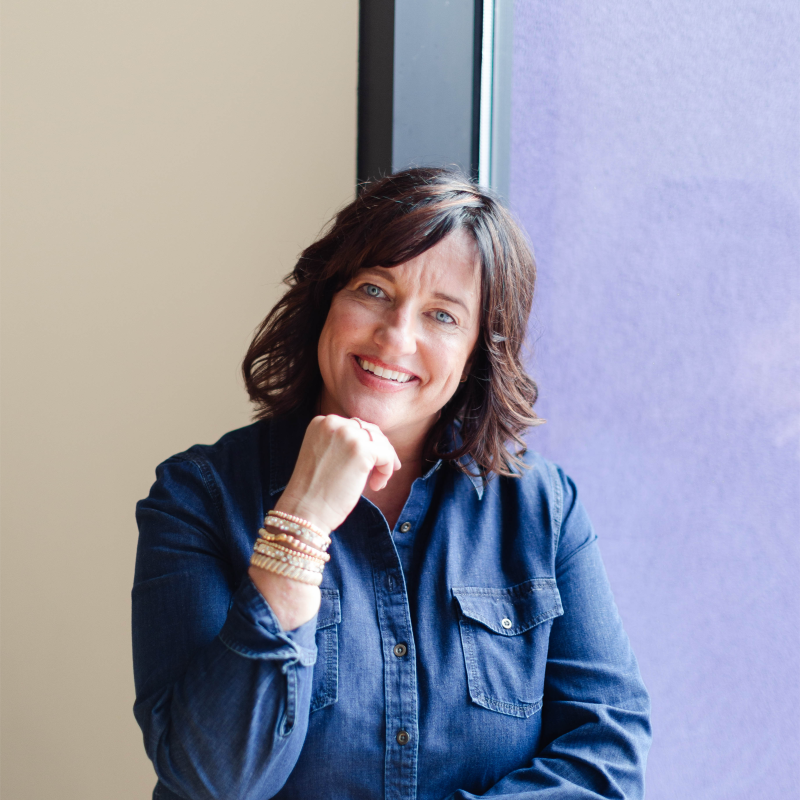
Rev. Jocelyn Jones spent a decade leading a church youth nonprofit before a “holy discontent” pushed her to build a ministry beyond the four walls of the church. What began as a weekly blog about how God helps people heal from trauma grew into a national Christian trauma healing ministry, and eventually a coaching practice for women who want to turn their calling into a sustainable business.
But behind the scenes, Jocelyn was carrying wounds of her own. She opens up about running from sexual trauma by pouring herself into ministry work, and about finding herself in an abusive marriage while helping others heal. Dana and Jocelyn talk about how to know when God is calling you somewhere new, how to recognize abuse that isn’t physical, why boundaries threaten people who seek control, and why faith-driven women need to charge their worth.
Watch this episode
In this episode
- How to recognize “holy discontent” and three questions to help you discern your calling
- Why you can have Jesus and a therapist, and how faith and mental health work together
- The many forms of abuse (spiritual, emotional, financial and more) and why talking discreetly to someone trained is a safe first step
- How boundaries protect you, and Dana’s yard analogy for knowing what is and isn’t yours to carry
- Ministry and money: building a sustainable kingdom business without giving everything away for free
Timestamps
- (00:40) Welcome and guest intro: meet Rev. Jocelyn Jones, speaker, two-time best-selling author and Christian business coach
- (02:06) From church youth center director to building ministry beyond the walls of the church
- (03:07) How a blog, Faith Fridays and Zoom trauma healing groups grew into a national ministry
- (06:52) Holy discontent: three questions to discern whether God is calling you somewhere new
- (10:58) Running from trauma through ministry, and why you can have Jesus and a therapist
- (13:13) Helping others heal while living in an abusive marriage
- (17:58) Recognizing abuse that isn’t physical, and why to talk to someone trained
- (23:17) Saying no, backing down and the signs of emotional abuse
- (27:15) Dana’s yard analogy for understanding boundaries
- (30:03) Why couples counseling can be risky in abusive relationships
- (31:48) Ministry and money: building a sustainable kingdom business
- (33:38) Why women need to charge their worth
- (36:45) Where to find Rev. Jocelyn Jones, her books and her free Ministry Launch Starter Kit
About Rev. Jocelyn Jones
Rev. Jocelyn Jones is a speaker, two-time best-selling author and Christian business coach who helps purpose-driven women turn their calling into sustainable, impactful businesses. She holds a master’s in social work and a master’s in theology, and is the founder of Faith on the Journey, a Christian trauma healing ministry offering Christ-centered healing groups, church retreats and resources. Drawing on her own story as a survivor of sexual trauma and domestic violence, she speaks boldly about healing, faith and the truth that abuse is not God.
Connect with Rev. Jocelyn on Instagram or LinkedIn, or visit RevJocelyn.com. Her books, Sister, Start Your Ministry and Breaking the Power of the Mask, are available at [where to buy], and women ready to build a ministry beyond the walls of the church can grab her free Ministry Launch Starter Kit on her website.
Favorite quotes
“You can have Jesus and a therapist.” —Rev. Jocelyn Jones
“Abuse is not God.” —Rev. Jocelyn Jones
“Charge your worth, charge your value.” —Rev. Jocelyn Jones
Resources mentioned
- Sister, Start Your Ministry by Rev. Jocelyn Jones
- Breaking the Power of the Mask by Rev. Jocelyn Jones
- Free Ministry Launch Starter Kit: at RevJocelyn.com
- National Domestic Violence Hotline: call 1-800-799-7233 or text START to 88788
- Rev. Jocelyn Jones on Instagram: @REVJOCELYN
- Rev. Jocelyn Jones on LinkedIn
Subscribe & connect
If this episode gave you something to sit with, follow Phoenix and Flame so you never miss an episode: all apps in one place, or jump straight to Apple Podcasts, Spotify, Amazon Music, or YouTube. And if it moved you, leave a review; it’s the easiest way to help another listener find the show.
Learn more about Phoenix and Flame, connect with Dana, and listen to more episodes here.
Ready to find your own voice on stage? Dana’s a big fan of Mic Drop Academy, a public speaking and group coaching program built for women. Watch the free webinar, join a workshop, or dive into the bootcamp to build the confidence to speak up and be heard. (These are affiliate links — Dana may earn a commission at no extra cost to you.)
Read the full transcript
Dana Skaggs (00:40)
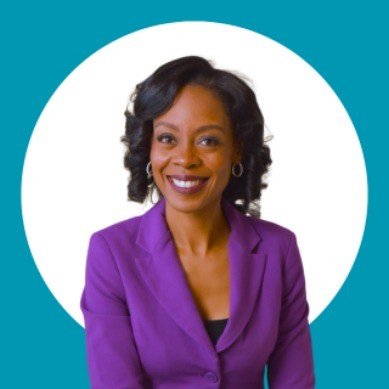
Welcome friends. Whether you’re out on a walk, running errands, or relaxing at home, it’s wonderful to connect with you. Joining us today is Reverend Jocelyn Jones. Reverend Jocelyn Jones is a speaker, two-time best-selling author, and Christian business coach who helps purpose-driven women turn their calling into sustainable, impactful businesses. Reverend Jocelyn, welcome to Phoenix and Flame.
Rev. Jocelyn Jones (01:18)
Thank you so much for having me. it’s a joy.
Dana Skaggs (01:21)
This is gonna be fun. This is gonna be fun. So gosh, where do I even begin? You later on in your bio, you talk about helping women gain clarity, build structure. it just goes on and on. I’ve got all kinds of questions, but let me back away and give you some space to just tell us a little bit about yourself. And you can start wherever you would like. Some people really like stories from the very beginning that that really are impactful to them. Some people want to start later, but wherever you start, we’ll end up weaving wherever we need to weave in the conversation. So what tell us a little bit about you and why why this interest? How did you get to this place?
Rev. Jocelyn Jones (02:06)
Thank you, Dana. Well, I I tell you, it’s been quite the journey. And for me, I have been working in full-time ministry since the age of 23. And I was offered an opportunity to work at my church at the nonprofit youth center, and I became the executive director there. For about 10 years, I served diligently, and it was very rewarding work. But have you ever had that time in your life where even though what you were doing was rewarding? You knew you were in the right season at some point, but you knew that season was coming to an end. And I felt like God was calling me to more. I felt like God was calling me to build something beyond the walls of the church that was ministry, but it looked different. And I didn’t quite know how that looked. But over time I I prayed, I fasted, went to seminary school trying to find myself and eventually I I made the decision to step out of The box, if you will, and start my ministry that we’re gonna talk about today. And it started off as a blog, me writing stories about how God helped people to heal from trauma. And I published that weekly on Fridays, calling it Faith Fridays. And then over time I started writing books and podcasts. But what really was a life-changing moment for me, someone invited me to a Christian trauma healing group. It was a Bible study that included mental health. Health principles to help people heal from trauma. And it was in March of 2020, right at the beginning
Dana Skaggs (03:42)
Mm.
Rev. Jocelyn Jones (03:43)
of COVID. You know exactly what was happening then. And
Dana Skaggs (03:45)
Mm-hmm.
Rev. Jocelyn Jones (03:47)
I have a background in social work. I have my MSW and my master’s in theology. And when I saw this curriculum, I was like, this is amazing. This combines both my loves. And I started doing that on Zoom because we were all locked down. But because I started doing these regularly on Zoom, that allowed for me to connect with people across the country who were looking for healing, who wanted connection. And that over time allowed for me to grow my ministry from that blog to national Christian trauma healing business over the last several years. And from that, that’s when I connected with other women who wanted to learn how to start their faith-based ministry in business. And that’s when that second arm began of me supporting other women.
Dana Skaggs (04:30)
I love this so much. And I already have so many questions for you. And and before I have several already written down, but before I get to those, as you were just describing this, I’m thinking of a lot of people that are that are in church. I I grew up in church myself and I’m a Christian. it’s I don’t know, it seems easier for people sometimes when they’re following the status quo. When they’re following the path that seems to be the vanilla path, which is not the path I’ve taken, by the way. but I’m not a vanilla gal, but it just seems like it’s easier sometimes, it seems easier when people are following the path that everyone seems to be doing and that everyone seems to expect them to do too. And when God calls you to take the exit, to go somewhere else, I think of for example, like Jonah. he didn’t want to go to Nineveh. He’s like, I ain’t going to Nineveh, no way. Uh-uh, I’m doing that. But we saw, we know how that ends. And so my question to you is, for someone right now who is maybe working at a church or or going to church, but they feel how how do they know if if they if their path is my is leading somewhere else? Because maybe they’re maybe the spirit is prompting them with something, but they’re like, ooh, I don’t know. I don’t know. I think I should just keep coming and doing the same thing and and follow what everyone else is doing. Cause that seems that’s what in it’s what’s in front of me. It’s what everyone else is doing. I the thought about going over here or going over there is a little scary. if someone is in that space right now and they’re listening to you, what words of advice, what words of wisdom, what words of experience would you share that would help them possibly navigate those waters when they might be feeling God calling them to do something that’s not the run-of-the-mill vanilla path?
Rev. Jocelyn Jones (06:50)
Hmm, great question. First thing I would say is that it’s important that we pay attention to when the Holy Spirit is nudging us. And one of the the ways I describe it is a holy discontent. It’s like it’s it’s one of those things where it’s it’s continuing to show up. And it’s like I it’s not something where y something’s wrong, but you just know that some is more. And it keeps like there’s breadcrumb moments. for some it might be like continuing to just hear whether it’s through God using people or God continuing to put it in your spirit that you’re meant to write a book or you see certain things on the the news and you’re just you’re outraged about something that you see about a domestic violence survivor or something happening in your community and it’s discontent around you feel like I want to do something around it and it won’t leave you. Those are signs. That you should explore. when I’m talking to sisters and supporting them in their discernment phase, because this is really what we’re talking about here, I invite them to reflect on three things. First, I invite them to ask themselves: what caused burden to you? What is a cause that truly, when you see it, you’re like, man, I I want to make a change. I I’m I’m sick and tired of seeing people struggle in my community. I hate hearing stories about this, whatever that is, is a cause that burdens you. Pay attention to that because that might be a sign that you are, called to. Another thing that I invite people to reflect on is what gifts has God given you that could be a service to this world? That can meet some type of need, right? That you’re passionate about. Exploring those gifts is something that can really help you to see, man, my ministry doesn’t have to be just used here. It could be used in other places. These gifts can actually make a difference in my neighborhood or in the nation. The other thing that I always like to invite people to explore is who’s your tribe? Who are the people who you are drawn to? Are they drawn? To you. And it might be the younger version of yourself. I think we’re perfectly suited sometimes to help the younger version of ourselves with all the wisdom that we get from our mistakes.
Dana Skaggs (09:24)
Yeah.
Rev. Jocelyn Jones (09:27)
And from there, I just believe that none of us, when it comes to at least ministry, is not confined to the four walls of the church. And so just take taking it out of the box and being open to where God is leading you. And even if you’re afraid, even if you don’t have it all right, just making steps forward. You’ll find that God will show you your next step and it’ll be quite fulfilling.
Dana Skaggs (09:54)
I love that. speaking of needs, you said to notice, what bothers you? What needs do you see in your world and your community that really just sticks in your crawl and you just can’t quite let it go. As I was reading your bio, I I found myself wondering what needs that you saw along the way that caused you to want to create this business. Because let me tell you, I know being an entrepreneur is Freaking hard. it’s it’s scary.
Rev. Jocelyn Jones (10:25)
Girl.
Dana Skaggs (10:27)
It’s like jumping off a cliff and trying to figure the parachute out on the way down. And, talk about a journey of faith. And so I’m wondering it for you, what need did you see in the women, in whether it was in the in your community, in the world or whatever, that gave you the drive and the motivation to create. This business that you’ve created.
Rev. Jocelyn Jones (10:55)
Mm, I’m going to Be very vulnerable with you when it comes to that question. Because if you recall my answer a little earlier, I was saying helping the younger version of yourself. That was absolutely my motivation. Having experienced sexual trauma in my early 20s, one of the things that I did to run from my trauma was throw myself into ministry and work and work and work. And that was my addiction of choice. And it was celebrated because it was like, she’s so dedicated. She’s so, passionate. But I was running for my pain and it was showing up in my relationships. I was, showing up in how I led as a leader of the nonprofit, and it was messing things up. And finally, I had to come to the realization, girl, you got you need some therapy. You need to do some work. Yes, you got Jesus, but you can have Jesus and a therapist. And I had to I had to do the work and start doing the work. And I continue to do the work. My therapist on speed dial now. And and for me, when I first started my my ministry, which is called Faith on the Journey, when I first started it as that blog, when I was writing those stories about how God helped people to heal from trauma. I was really interviewing them for myself. I wanted to hear, how did how did you go through this healing journey? Cause I’m still trying to heal. So as I was interviewing people for the blog, as I was interviewing over a hundred people on my podcast about the healing process, their stories was helping me to heal. And and so in that process of doing that, the the the interviews, going to therapy and And really trying to walk out the healing for myself, I wanted to be able to show people the same that yes, our faith is is is core at our center, but I believe that mental health practices too are very important. God uses people like therapists like you to help us navigate our journey, and that’s important. And so that inspired me to create that. And the the other one other thing I want to share is as while I was building this ministry. And it was really starting to take off. And I was helping people to heal from trauma. I found myself in an abusive marriage. And it was a dichotomy because I was being traumatized behind closed doors while trying to help other people heal from trauma. And I really felt like I was a fraud. And thank God I was able to get out of that that that abusive marriage and I had to really walk out the healing I was teaching others. This was again it was such a test because I had to take time to set aside to care for my own wounds so I wasn’t bleeding on other people and do all the work. But that also, now that I’m r removed from the situation, has really put a like a fire.
Dana Skaggs (14:04)
Mm-hmm.
Rev. Jocelyn Jones (14:05)
talk about a flame in in terms of my passion to help people heal from trauma, but also help other domestic violence survivors to get the support they need to know that abuse is not God. And and so I speak very boldly about that from my lived experience.
Dana Skaggs (14:23)
my gosh. Okay. So I’ve got two comments. I’m gonna toss them out. You can do with them whatever you want. one of them is listening to you talk, it reminded me so much of why I started my podcast to begin with. I actually started it in 2020 because I wanted people to know you are not alone. I was having so many people come into my office and they were pouring out all of the stuff. All the pain, all the struggles, all the fears. And they would just say, I just feel like it’s I feel like it’s just me. I feel like I’m the oddball out. I’m the one that can’t get my ish together. No, I can’t that I’m the one. But I would know that’s not true because I heard those stories every day, day after day after day. But because of confidentiality, I’m not gonna, you can’t share that stuff. And so I thought, you know what? If I started a podcast and we would have people come on that was That were willing to share their stories and reach out. Cause that’s how I end my podcast is saying, you are not alone. Let people know they’re not alone so we can grow the community. So I love that so much. And so my question, I have actually three things, I guess. I made that comment. And then I have a question of, well, I’ll wait a minute. I’m flipping, I’m flipping it around. I’m gonna leave the question till last. I’m gonna make a second comment about. the marriage and sometimes scripture can be y can be weaponized in marriages. And we both know this. We both exp and heard the stories, all the things. And I and shout out to my to my cousin Jill. She listens to my podcast regularly. She’s supported me along the way and been a big, a big supporter. And she went through something really bad with with a husband who did that. And That was just, I’m not speaking out of turn. Everyone, everyone in in the community, was aware of of that kind of thing going on. And that’s you get stuck because if somebody doesn’t have a safe place that they can turn to and and they have someone quoting them scripture that, but but they’re bastardizing it. It’s n they’re weaponizing it, they’re bastardizing the scripture and they’re they’re cherry picking. So that’s what that’s what Jill went through. And I saw her and my heart hurt. For her so much, and I’m so proud of how far she’s come. And so that’s a that’s a comment. And so I guess my question is related to that. It’s just like how, if someone were listening right now or watching right now, and they’re in that scenario, what what piece of information, what would you want to share with them that would help them have the courage to get that information to go to therapy and and quite frankly, sometimes women they’re afraid they’re going to get information that’s going to indicate they need to set a boundary. And that’s scary. in some scenarios, and I’m the queen of boundaries, right? I’m all about the boundaries. I I’ve lived it. and what’s true of it is sometimes in some scenarios the even the thought of setting a boundary with an individual is scary because of the reaction that is going to come. And so I was just wondering what your thoughts were on on that in that area.
Rev. Jocelyn Jones (17:58)
taking aside because this is such a heavy question and whoever’s listening to this right now, particularly if you’re in this situation, my heart goes out to you because I know how hard it can be to even accept the reality that you might be in an abusive marriage or relationship. one of the things that I will say is the the discovery of the fact that you are being abused sometimes is not always clear. Because when it comes to abuse, people for the most part understand it’s abuse if someone physically assaults you or hits you. But there’s a number of other forms of abuse. You were describing spiritual abuse when someone tries to exert power and control over you using scripture or sacred text. There’s emotional abuse, financial abuse, sexual abuse, legal abuse. There’s all different forms. And sometimes it could be done in such a manipulative way that you’re left confused. So one of the things that I do encourage you to do is discreetly, because from a safety standpoint, look into talking to someone who’s trained. Okay, trained and who has skills in this area. Why do I say it’s important to talk someone who’s trained? Because when it comes to domestic violence, there’s a number of factors at play. And first of all, we want to make sure that whatever you’re doing, you’re doing so in a way that will keep you safe. And so talking to someone who’s trained around that is important. Also, sometimes there’s good people in your life who They they care about you, but they could be very misinformed. And they could give you advice, even if it’s well intentioned, who can actually re-traumatize you. But in the church
Dana Skaggs (19:54)
Mm-hmm. Yes.
Rev. Jocelyn Jones (19:56)
or in whatever faith tradition, sometimes people can try to make you forgive too soon, minimize what you’re going through, use scripture to have you stay in a situation that’s toxic. So asking God for discernment and and again, maybe talking to the domestic violence hotline or an agency and and do so discreetly again is important. important so that you can get some objective feedback to say, is this really abuse? Right? Because sometimes you might dismiss it as, they just have a temper or
Dana Skaggs (20:29)
Mm-hmm.
Rev. Jocelyn Jones (20:29)
this is that or what no. Talk to someone who knows and then they can guide you. Exactly.
Dana Skaggs (20:33)
Or they’re right, I’m wrong. they I’m wrong. They’re they they they know, they’re smarter than me.
Rev. Jocelyn Jones (20:40)
Mm-hmm. Yeah, and it’s and that’s tough. but that would be the advice initially that I would give for a very complex question.
Dana Skaggs (20:51)
It is, but we’re dealing with complex stuff, are we not?
Rev. Jocelyn Jones (20:54)
Mm.
Dana Skaggs (21:32)
that’s just that’s how this stuff goes. And then when you’re when you’re going through something like that, it it a lot of gaslighting. And I know you you treat women in in in in trauma. And I, as you were talking, I remember several times actually had to learn this the hard way. How many things do we learn the hard way? but I learned
Rev. Jocelyn Jones (21:52)
So
Dana Skaggs (21:53)
that sometimes a controlling my experience was it was a controlling husband. It doesn’t always have to be by any means, but it was a controlling husband who was a narcissistic person. And he he tried to come and commandeer the therapy sessions. So the wife would have an appointment with me. And he would call under the guise of, and maybe he really believed this, I don’t know. Sometimes narcissists, you they’ve they’ve drunk their own Kool-Aid, right? So I’m just saying. And so he would call and he under the guise of, I want to make sure that you understand, what what my wife is suffering. And I think maybe if I came in for a session, then I could help really flesh out. The information that you have so you can help her better. Now, I would like to say that I never fell for that. I cannot say that. In the very beginning, when I was young and learning all the things, I fell for that. But I learned fast, I’m a quick learner, and I quickly figured out what was going on. And then I’m a very direct person. So then I I we address that in in therapy. Unfortunately, she did not come back. She was not ready to it’s hard. And and I’ll make one other comment about this, about boundaries, and I’m gonna ask you another quick wrap it back around to get your feedback is that guys, when when we first started, when when Reverend Jocelyn and I were trying to get this podcast going today, I could not get my headphones to work. And just stay with me, I’m getting around to the point. So I couldn’t get my headphones to work. And I tried and I tried. And with this, I even got some old headphones and put them on, did all the things. And I’m like, okay, I’m not stopping. I’m not effing stopping. I don’t stop. I don’t stop. I don’t back down. And we finally got, we finally got it going. But the reason why I’m saying this is because that’s one of the reasons why, as the queen of boundaries, it’s like when when you support someone, it’s like you you you get to the point where, okay. I don’t back down. And it’s like if you if you’re in a relationship with someone and you feel like you cannot say no. You feel like your your opinion is irrelevant. The only opinion that matters is in the relationship is the other person’s. if you offer an alternative point of view, you’re wrong. you can’t ever say, I don’t want to do this, I want to do this over here instead. That’s a form of a no. If you’re in a relationship like that and you have to always back down, back down, back down in favor of the other person’s opinions and their desires, hello. You are being emotionally abused in all likelihood. So I just want to throw that out there. and to be honest with you, in some instances, I think people would rather be physically abused than emotionally abused, because, well, there’s pros and cons on either way. But with emotional abuse, there’s a lot of manipulation and lying. And the abuser will sometimes go around and go to the friends and poison the poison the friends and say say things to the friends to try to isolate the the one who’s being abused. So I just wanted to toss that out in in, Reverend Jocelyn and in piggybacking on what you were saying earlier.
Rev. Jocelyn Jones (25:34)
Well, let me first off start by saying that your listeners couldn’t see me, but I was like clapping. I muted myself. Yeah,
Dana Skaggs (25:40)
Well, the ones on YouTube can.
Rev. Jocelyn Jones (25:42)
they can see. Okay, I didn’t know they could see me. I was like, yeah, yeah, yeah, that’s right.
Dana Skaggs (25:45)
Yeah.
Rev. Jocelyn Jones (25:46)
Because here’s the thing that I know is that when it comes to boundaries to your point, that is something that someone who i is on the abusive side, they’re abusive, they are they absolutely hate that word. It’s like a curse word. Because that that’s getting in the way. of them having power and control. over you, which is really what abuse boils down to. And when it comes to abuse that’s not physical, oftentimes it’s just you’re left so doggone confused because you just can’t always there’s not usually a witness to to be able to and you’re trying to describe the state of confusion that you have been left in by the whole situation. Why did he just go from zero? Because it’s not always a he, excuse my language, why did they just go from zero to this? Or why is it a thing when it shouldn’t even be a thing and it’s just it’s just confusing. But it does have a major toll toll on you. And when I was in my healing process, I joined support groups for domestic violence survivors. And listening to those stories, many of the women lost hair, health issues, all types of things was happening because that type of duress one of my girlfriends c called herself a prisoner of war. it felt like that. And being under that chronic state of trauma. It does something to you.
Dana Skaggs (27:15)
my gosh, you are a hundred percent right. nail on the head, it just it beats you down, it wears you down. That’s one of the reasons why when I I train people about boundaries, I love to use a yard analogy because it makes it very easy to understand. And I’m like, imagine you have a yard, and in your yard are your thoughts, your feelings, and your actions. These are things that belong to you. This is where your agency lies. These are things that you can change, and these are things that you are responsible for. And then if you traipse across your grass, you’re going to run into a property line. Now, on the other side of that property line is your neighbor’s yard, okay? Your neighbor’s thoughts, feelings, and actions are in your neighbor’s yard and they don’t belong to you. You cannot, you’re not causing what your neighbor is thinking, feeling, or doing. You cannot control it, and surely you cannot cure it. That is a very simple analogy that I love to train people in because when you’re in these relationships, frequently you get blamed for when I say your partner, your neighbor, that means your partner or could be a coworker. Anybody. Anybody that you’re in relationship with is your neighbor. So frequently they’re like, I wouldn’t be this mad if you wouldn’t do such and such. hail to the no is what I say to that. Okay. This is my podcast, and I’ll talk how I want. So I’m like, no, if if if if he is I’m saying he, it could be a she. I’ve heard these stories too, but just for brevity’s sake, we’ll just say he. So if he says, Well, I wouldn’t be mad if you if you hadn’t come in late or whatever, or if you hadn’t used whatever first of all, his emotion is in his brain. And unless you have access to his brain, you cannot cause him to feel anything. So That’s why I love teaching boundaries and and helping women understand, okay, well, is it your thought? Is it your feeling? Or is it someone else’s thought or feeling, which they’re gonna blame you for it, but you’re the one that needs to know it’s not yours, it’s on the other side of the property line.
Rev. Jocelyn Jones (29:32)
Hmm, that right there. Very important. And I think once you start it once you start realizing that and it clicks and you see what’s going on, that’s where the education piece is important. saying, no, that was manipulation. No, that that had nothing to do with you. And
Dana Skaggs (29:50)
Nope.
Rev. Jocelyn Jones (29:50)
being able to call VS BS, and I but understanding too, in some cases, depending on the volatility of the situation, you also have to be wise and safe about is what. Well, because
Dana Skaggs (30:02)
Yes. Yes.
Rev. Jocelyn Jones (30:03)
even with one thing I want to quickly mention here, too, is one of the things I found out when it comes to domestic violence, it’s not even fully recommended that you go to counseling, particularly because the person who’s being abused can get in trouble. And I’m talking about marriage, counseling couples counseling. because you can get in trouble for telling on the person for being abusive, the person, if the counselor, the therapist is not trained to be able to see what’s happening when it comes to. Domestic violence, like the story you were mentioning earlier, then they could absolutely be manipulated. So it’s one of those things where going back to your question about my recommendations, you educate yourself. You, talk to someone who’s going to help you to know your options and develop a plan for.
Dana Skaggs (30:55)
I love this. Now, Reverend Jocelyn, help me understand you you had a heart for you have your programs. Now let me look refer back to the the bio, helping women gain clarity, build structure, and confidently launch and grow purpose-driven businesses. So my question as I read that description was. These women that you’re helping grow purpose-driven businesses, what in general, when you look back, what are their main pain points? What are the things that these particular women that are trying to build purpose-driven businesses, what do what does this particular niche of women struggle with the most? What
Rev. Jocelyn Jones (31:45)
Hmm.
Dana Skaggs (31:46)
are you trying to help there?
Rev. Jocelyn Jones (31:48)
Yeah, so I love working with women who see what they’re doing as a form of ministry. for me, when I started my Christian counseling company, that’s my ministry. when I’m doing trauma healing groups, it’s Christ centered groups. I’m doing retreats at churches, but it’s ministry to me. But it also is has a business structure because ministry can be done through your business. And so I am called to work with women who want to do the same. The women who I work with though often struggle With that dichotomy of okay, faith and business, like ministry and money. how do I structure this in a way where I’m honoring my faith in God, but I also make this sustainable? I’m the type that’ll give everything away for free forever. And and the God bless you for your heart. If you’re looking to do this as a business, though, how can we still set this up where there is a financial engine to support the business? The business so that you’re not going into a whole bunch of debt and your mission can move forward. So, what I help women do, those heart-centered women out there who feel called to build the nonprofits, to be Christian coaches, to be speakers, I help them to honor their core, their faith, but also set their kingdom business up in a way that has a plan that’s sustainable, so they can reach the people who are their assignment.
Dana Skaggs (33:17)
I love this a lot and I know our time is about up, but I wanted to to make a comment about that and then also make sure that all of the listeners and viewers can find you, can get access to you. And we’re gonna talk about your two books as well. And you have a podcast that I’m gonna be guesting on tomorrow, I think. This is gonna be so much fun. We could have some more time together, Josh.
Rev. Jocelyn Jones (33:33)
Yes. I’m I’m very excited.
Dana Skaggs (33:38)
So I think it’s really interesting because I I’m I told you I’m an entrepreneur and I’m in a speaking business as well. And so It’s it’s it’s an under it’s understood that in general, I’m stereotyping here, but in general, people expect our culture expects men to charge. They expect women to do the same thing for free or for much reduced amount of money. This is not okay. If you have both people that are doing their business and and it whether it’s ministry or whatever it is, and it’s not, there needs to be more. gender equity there. So I’m so glad you’re supporting the women and and helping them to understand with business there are expenses. If you want to continue, if you want to, if you want the same way with boundaries, if you want to do it, I help people play the long game. If you want to play the long game, I I work with high performers who burn out. If you want to play the long game and not burn out, you better figure out boundaries now or you’re going to gas out, girlfriend, right? Same way with money, right? If you don’t Businesses, there are expenses that we have to keep it going. We have to pay money out initially to get things going along. If we go somewhere, there’s, you have to pay for the plane tickets, you have to pay for the lodging, you have to pay for Uber, you have to pay for the meals. And that’s just the travel. That’s not talking about what it costs. for you, you have two books. You had to initially invest, right?
Rev. Jocelyn Jones (35:08)
Yes.
Dana Skaggs (35:09)
that just doesn’t somebody doesn’t just plop a book on your lap for free. No, you have to invest. You have to pay people to help you to do that, to publish, to put it together, to distribute it, all the things. There’s so we as women, we have to develop in my mind, and it feels seems like you’re like-minded in this, and this is what you’re doing for these women, helping them to understand. Get your head straight in this. This is you need to be able to charge so that your business, so that your ministry can can keep going. If you’re not charging money, if you’re not collecting fees, then you’re not you’re gonna gas out, just like with boundaries. You’re not gonna you’re not gonna make it. You’re not gonna have the money for your business to sustain if you’re if you don’t get comfortable charging for what you’re providing.
Rev. Jocelyn Jones (35:56)
Absolutely. If it’s a service, just like the the difference between a Christian therapist and a therapist who’s not overtly advertising as Christian, is the service. You’re providing a valuable service, a transformation. So charge your worth, charge your value.
Dana Skaggs (36:13)
Yes, a hundred percent. That’s it. whether you’re Christian or not Christian shouldn’t it’s that’s interesting. That’s a that’s a descriptor. But that doesn’t say, because I’m Christian, that means I’m not going to charge any money. That
Rev. Jocelyn Jones (36:27)
Mm-hmm.
Dana Skaggs (36:28)
no, because it’s not about the money. The money is re reinvested back into the business so that you can keep that going. And it’s just that’s it’s a business. So I as you can tell, I’m a little bit on my soapbox about that right now, Reverend Jocelyn.
Rev. Jocelyn Jones (36:41)
I love it. We we could be on a soapbox together.
Dana Skaggs (36:45)
All right. So I’m looking down. Where is it that you want people to go? If they want, I know. Well, first of all, you have two books. One Sister Start Your Ministry. That’s
Rev. Jocelyn Jones (36:56)
Hey, yes.
Dana Skaggs (36:58)
the first book. And then Breaking the Power of the Mask. Ooh. Ooh, that sounds interesting. So where do people go? I know there’s listeners and there’s viewers on YouTube. That are thinking, my goodness, this is just the tip of the iceberg. I have got to get a hold of Reverend Jocelyn Jones and find out more about this woman. Where do they go?
Rev. Jocelyn Jones (37:20)
Well, I’m mostly Rev Jocelyn everything. So you can go to RevJoclin, R E V, Jocelyn.com. My website has all my social media. YouTube. I’m like I live on YouTube. So find me at Revostelin, subscribe there. But if you go to Revjocelyn.com, for those who are looking to start their ministry, you’ll see a option that pops up for you to get a free ministry launch starter kit that’s going to literally, if you feel called to build that ministry beyond the walls of the church. church is going to help you to get started and take your next step. So that’s my free gift for your listeners.
Dana Skaggs (37:57)
I love that. That’s fantastic. Rev Jocelyn, thank you so much for spending your precious time and your expertise and your energy to be here with me and all the Phoenix and Flame community. Thank you, thank you so much.
Rev. Jocelyn Jones (38:11)
It’s been a joy. This has been a wonderful conversation. Thank you for having me.
Dana Skaggs (38:16)
This is fun listeners. Okay, now I know that you’ve heard multiple things today that you’re thinking, I know of a friend, I know of a relative, I know of a coworker that needs to hear exactly this. Take this episode, copy and paste it, send it in text, send it in email, take this episode and post it on your favorite social media sites so we can grow our Phoenix and Flame community and let people know you are not alone. I hope your day’s been going great. I hope the rest of it is fantastic. I’m Dana on Phoenix and Flame.
Are your work boundaries supporting you—or quietly draining you?
Take my free Work Boundaries Quiz and find out where you stand.