First aired October 1, 2023
At 26, Falyn Morningstar was bloated, exhausted, losing her hair, and couldn’t get a decent night’s sleep no matter how many hours she logged. She went to her family physician. She went to her gynecologist. Both ran a basic blood panel, told her “you look good,” and sent her home. Her labs were fine. She was not fine. That gap between “your numbers look normal” and “I feel awful” is where this whole conversation lives, and it’s exactly the gap Falyn now spends her career closing as a certified Functional Diagnostic Nutrition (FDN) practitioner.
What made Falyn’s story worth chasing down is where the trail led. Deeper testing (blood, saliva, stool) started connecting her physical symptoms to a pattern of emotional eating, and eventually to a childhood sexual trauma she had no conscious memory of until an image surfaced while reading a book years later. We talk about how a functional diagnostic nutrition test actually works, the three different reasons people emotionally eat, and somatic experiencing, the practice Falyn credits most for teaching her body it’s safe now, decades after it decided it wasn’t.
If you’ve ever been told your labs are fine while you feel anything but, or you’ve never quite been able to explain why food, sleep, or your own body feels like a battleground, this one’s for you.
Watch this episode
In this episode
- Why “your labs are fine” doesn’t mean you’re fine, and what Falyn’s doctors missed at 26
- How functional diagnostic nutrition testing connects gut health, hormones, and mental health
- The three reasons behind emotional eating, and how to spot which one is driving yours
- How childhood sexual trauma can resurface decades later as insomnia, hair loss, and fatigue
- What somatic experiencing is, and how it teaches your body to feel safe again
- Why healing symptoms first can create the capacity to finally face the trauma underneath them
Timestamps
- (00:02) Welcome and intro: meet FDN practitioner Falyn Morningstar
- (02:10) The physical symptoms that started piling up at 26
- (04:05) Why her doctors said her labs were “fine” while she felt anything but
- (08:18) How emotional eating shows up, and the three reasons behind it
- (13:57) What a Functional Diagnostic Nutrition test actually reveals
- (20:25) Tracing physical symptoms back to childhood sexual trauma
- (26:15) Somatic experiencing: learning to sit with your emotions instead of numbing them
- (31:53) Where to find Falyn and how to book a free call
About Falyn Morningstar
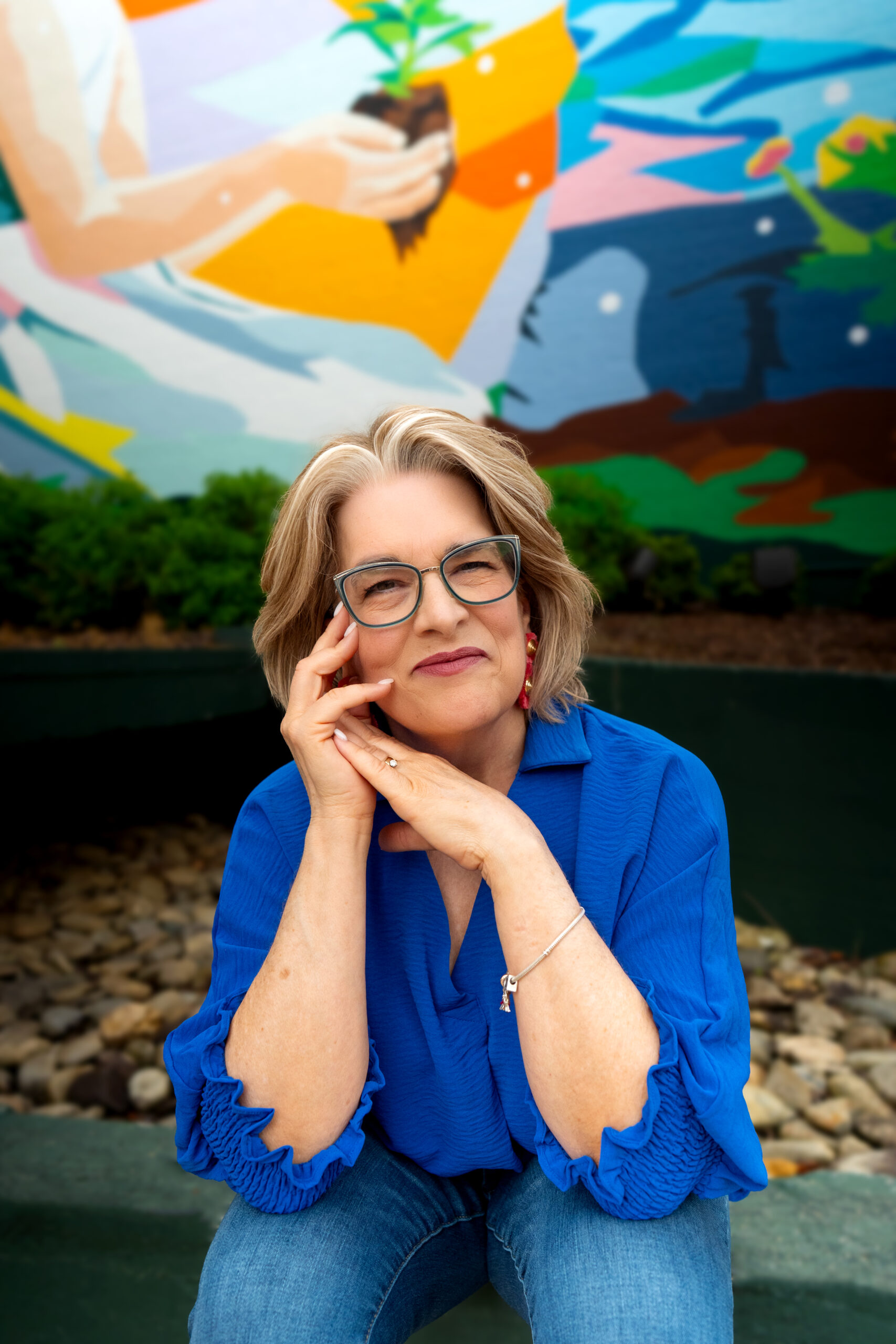
Falyn Morningstar is a certified Functional Diagnostic Nutrition (FDN) practitioner who traced her own digestive discomfort, insomnia, fatigue, and hair loss back to missing pieces rooted in sexual trauma and emotional shutdown. She now guides curious, driven, health-minded women from feeling fatigued and disconnected to feeling vital, connected, and emotionally whole.
Reach her at discover@falynmorningstar.com, or book a free call through her Calendly.
Favorite quotes
“It’s completely common and you’re never alone when things like that happen.” —Falyn Morningstar
“We need to get to know our nervous system… when we can get in touch with our body, we can get in touch with our nervous system, we can learn to reparent ourself and sit with those emotions.” —Falyn Morningstar
“I’m grateful for those experiences, because it made me who I am today, and it’s allowing me to help other people as well.” —Falyn Morningstar
Resources mentioned
- discover@falynmorningstar.com: email Falyn directly
- Falyn’s Calendly: book a free call
- The Body Keeps the Score by Bessel van der Kolk, referenced by Dana on the trauma-in-the-body connection
Related episodes
- The Role of MDMA in Treating PTSD: more on emerging approaches to healing trauma the body has held onto for years.
- From Abuse to Healing: A Journey of Strength: another guest’s path from abuse to a fuller life.
- How Unresolved Trauma Is Ruling Your Life: for more on exactly what Falyn describes: trauma resurfacing decades after the fact.
Subscribe & connect
If this episode gave you something to sit with, follow Phoenix and Flame so you never miss an episode: all apps in one place, or jump straight to Apple Podcasts, Spotify, Amazon Music, or YouTube. And if it moved you, leave a review; it’s the easiest way to help another listener find the show.
Learn more about Phoenix and Flame, connect with Dana, and listen to more episodes here.
Read the full transcript
[Dana] (00:02)
Welcome to Phoenix and Flame. I’m Dana, and this is my podcast on pushing through and transforming even when you feel like a pile of ash. We have another amazing guest with us today. Our guest’s name is Falyn Morningstar. I have to stop and say, isn’t that a beautiful name? I’m going to say it again, Falyn Morningstar. That is so pretty. Well, Falyn struggled with digestive discomfort, insomnia, fatigue, hair loss, muscle soreness, irregular cycles, emotional eating, and when she got digging even deeper, she found missing pieces in her health that seemed to be rooted in sexual trauma and subsequent emotional shutdown. Because of this, Falyn looked into functional diagnostic nutrition. She started collecting information about this, and it was transformative, so much so that she became a certified practitioner herself. Now Falyn guides curious and driven, health-minded women from feeling fatigued, distasteful about themselves, and disconnected from their power, to feeling vital and pleasure and emotionally reconnected from within. Falyn, this sounds so interesting. Welcome to Phoenix and Flame.
[Falyn] (01:34)
Dana, such a pleasure to have a conversation with you. Happy to be here.
[Dana] (01:39)
This is wonderful. And I noticed that you live by a motto, heal together, rise together. And I feel like that just right along when I read that, I thought that just fits right with Phoenix and Flame, how Phoenix rises from the ashes. So I’m interested to hear your story. You struggled with so many things that I feel like a lot of my listeners, a lot of my female listeners, struggle with on a regular basis and feel very frustrated. What was your story? What was it like for you?
[Falyn] (02:10)
Yeah, thank you for that question. Right off the bat, it didn’t necessarily start with one thing. I think at age 26, it felt like a lot of things that continued to pile up and cycle. It was a lot of the physical symptoms. Persistent bloating, insomnia, I could not get a good night’s rest. In the morning I would still feel tired, even if it was maybe eight hours. Muscle soreness was so persistent, maybe four days after I got done with a training session, they would still be sore. I couldn’t recover from what I was doing. I remember I was walking back to my apartment and I actually felt a little bit lightheaded. And my typical, when you go to the doctor and you might get a basic blood panel, my numbers were fine. Everything looked fine. But I certainly didn’t feel fine with all of these symptoms. And at age 26, I said to myself, this is not right. So fast forward to getting some answers through, I’ll call it an acronym, FDN, which you pronounce as functional diagnostic nutrition. FDN was a company that had given me some perspective on why these physical health symptoms were happening.
[Dana] (03:36)
So let me just jump in real quick and ask you, what made you aware of them? Because I’m listening to you describe this part of your story, and I’m thinking there’s got to be a lot of women out there who are experiencing a lot of what you’re describing. But I can’t imagine, how did you even come across them? Because they’re not your run of the mill practitioner that you just kind of go, okay, I’ll just go to an FDN. That’s not how that works. So how did you find them?
[Falyn] (04:05)
Yeah, I know, and it was not a direct route, I will say that, because I did go to my family physician, I did go to my gynecologist, and neither one of them were able to answer my questions. There was no testing to be done besides a basic blood panel. At that point in my life, I didn’t really have language around what functional health was, what holistic health even is, so I didn’t really know the appropriate questions to ask them.
[Falyn] (04:35)
I just said, I think it’s my hormones, something, and the response was, you look good, you look good. That’s how it was. But very fortunately, I had a friend who was going through some testing, such as food sensitivities, hormones, like a full panel of multiple hormones, as well as a stool test, and I was very intrigued
[Dana] (04:40)
And they’re like, your labs are fine, just go on home. You’re 26, go on, you’re fine, your labs are fine.
[Falyn] (05:05)
by her openness to share what her process was like. I said to myself, I would love to do that too. So I went through the testing, and I was blown away by how validated I felt. Because of these results that I could see, I had a better roadmap to be able to implement things to make some changes in a natural way. And then I said to myself,
[Falyn] (05:36)
I need to go through this training. So I think it was maybe six months after I got connected with that practitioner and did some tests, I signed up for the training. And in the beginning, she supports driven and curious health-minded women, because that is also myself, very curious, very driven. And I know that this information is transformative. So I was like…
[Dana] (05:38)
Oh wow.
[Falyn] (06:04)
I have up to a year to take this. It’s going to be fantastic, and it was. And that is kind of what I built my practice on, the modalities that I was taught in that certification, plus some.
[Dana] (06:17)
Wow. And I love the fact that you’re talking about holistic treatment, because so many times we’re driven to take medication, and sometimes medication is perfectly appropriate, I’m not dissing on medication, but if there’s a way to do it naturally without all of those side effects, then seems like that would be a whole lot better, but that’s not really what we hear in general.
[Falyn] (06:43)
Yeah, I know, it is unfortunate. I find sometimes I do get angry, or this heat in my chest, when someone shares with me their story of just the wringer that they’ve been put through, prescription after prescription, and they still feel bad, or even worse than what they did. It’s very unfortunate, because we might go to a gastroenterologist because we have stomach issues, or we might go to a social worker or a psychotherapist for mental health issues, but it’s so linked. However, how they’re taught is very disconnected. Do the mental health therapists ask about, what are you eating? Do the gastroenterologists?
[Dana] (07:27)
I actually do. I have to pipe in and say, I am a psychotherapist, and I do ask that, I ask every patient that comes through the door. I not only ask them, I want to know what’s going on in your body, but I also ask them what you’re doing physically. Do you have any kind of physical regimen? Because, like you said, it’s all connected together.
[Falyn] (07:44)
Oh, I love that. Yeah, you are a game changer in the industry, because I know a lot of people don’t. And I don’t want to hate on people not knowing everything, but I think if you have a broken arm, by all means, go to the hospital, go to a doctor. But if you’re trying to maybe get better energy, or if you’re trying to improve your gut health, look at the body as a whole system, just like you are working with your clients.
[Dana] (08:18)
Well, and something too that I have found interesting, and I’m sure you have seen this in your practice as well, and I’m very interested to hear your experiences with that, is that I’ve noticed sometimes people will, and I see this more with females, that they will sometimes use food. Things, emotional things will be manifested in their food, meaning they would either, they’re eating excessively bad things for them, or they’re kind of, I don’t want to say anorexic, they don’t meet the diagnostic criteria for anorexia, but they don’t feed themselves, it’s almost using it as self-harm, using food as a means of harming themselves or depriving themselves. And also there are people who have been sexually molested and
[Dana] (09:17)
cover their body with a lot of fat tissue because they don’t want any men looking at them and seeing their female body, so they insulate with fat, and they eat a lot extra for those reasons. So we could talk on and on about how nutrition and health and our mental wellbeing just flows in and out.
[Falyn] (09:40)
Right, right, I totally agree. And I think for me personally, when I was going through an emotional eating phase, a couple of reasons, one was I wasn’t getting the proper amount of recovery, wasn’t sleeping well. So when I would be up, I’d work full time and then go to grad school, and then maybe I would train at the gym as well. That was very consistent and regular for me. And when I wasn’t sleeping appropriately, I obviously couldn’t recover, and so I would want to eat for energy. When we’re thinking so much, maybe we’re reading, we’re doing work, it’s like you want to eat, but you’re not necessarily moving your body, because your mental capacity is overworking, and you just want to eat to keep the fuel coming in. So that’s one way I did emotional eating. Another reason emotional eating was kind of
[Dana] (10:23)
Mm-hmm.
[Falyn] (10:38)
part of my story was, it was like I was trying to cope, trying to numb any of the emotions that were coming up, because I felt like they were probably too painful to feel. I didn’t have the capacity to know how to feel them and if I was going to be okay if I felt them. So it was also that. And thirdly, the body image component that you mentioned, I think, or just the pattern that I saw in my own family of how they would eat as well, and feeling like I wouldn’t be accepted if I didn’t eat similarly. Body image is huge in a lot of families, and especially mine. I know I grew up with, and no fault of their own, I love my family, but
[Dana] (11:14)
Mm-hmm.
[Falyn] (11:37)
just society and the generational patterns of looking at yourself in the mirror and not liking what you see, like, oh my gosh, I’m fat, I can never lose this belly fat. And so it’s like we then are so familiar with that state of ours, that we either eat more of it to stay in that state because it’s familiar and it’s comfortable. It’s like the sabotaging, to be honest. It’s like we can’t get out, we can’t step out and create some space around what we’re actually doing to ourselves.
[Dana] (12:15)
Right, I know exactly what you’re talking about. I’m sure a lot of the listeners that are listening now, as you’re talking, I’m thinking of how many reasons that we do eat. When we’re bored, we want to eat. And if we’re upset, we definitely want to eat, and we want to eat bad stuff. Let me just talk about myself. I feel like I could eat my way down through a mountain of donuts when I’m having a bad day. I’m just like, as soon as I get finished with this horrible experience, I’m going to go get food. I’m going to go get sugary, carby food. And that’s what I’m going to do. And if anybody gets in my way, then they’re going to be sorry. And then when we’re having a good time, we want to eat. And like you said, sometimes we’ll eat to numb, because there’s something kind of icky trying to slide up, and we don’t want to feel that, and we don’t want to think about that. So we eat to push that back down. There’s so much around food
[Falyn] (12:51)
Yeah, exactly.
[Dana] (13:11)
and how we use that to deal with things. So what does an FDN, a functional diagnostic nutritionist, what does that person offer, so that he or she can meet us where we are with all of our crazy eating habits, because we all have reasons for doing that, and it’s hard to make those changes. We can know that we have those habits, I know that I shouldn’t eat my way down through donuts, and I’ve tried to stop that a lot. But what does an FDN have to offer us, to get us to actually stop doing these things that we know with our mind that we should not be doing, and yet we continue to do it?
[Falyn] (13:57)
Yeah, great question. I think as practitioners, we really value, obviously, the connection between practitioner and client, but the tests themselves are very validating to our mind. We know, yes, we shouldn’t drink soda, yes, we shouldn’t eat all of this sugary types of food, and we do feel bad from it, we do experience that repercussion of it, but we still do it. However, I found, for myself personally and for clients, when they see what’s happening in their system inside of them, making those continuous patterns, it’s like, oh my gosh, that’s what’s happening? That, I can pinpoint that, and that’s what’s making my gut feel so in pain. Interesting.
[Dana] (14:42)
So like you pull back the curtain, and they can see what’s going on behind the curtain.
[Falyn] (14:53)
Yeah, it’s like we open up your insides basically, because we’re looking at your blood, we’re looking at your saliva, your stool, and it’s so validating. It is quite mind blowing, because it’s like I now have a roadmap to solve this problem, because I know it’s not serving me, but it’s like I can’t get out of this circle.
[Dana] (15:21)
Well, and really, a lot of the symptoms that you’re describing, I think sometimes people mistakenly think they’re getting depressed when it’s not. The sleep deprivation, there’s research that indicates long-time sleep deprivation will mimic the symptoms of depression. And you’re talking about feeling tired and all these other things, and sometimes people just kind of assume they’re depressed. So then they go, and they end up on an antidepressant medication. Meanwhile, the reasons that are causing them to feel that way to begin with are still there, they’re still doing those things. It just seems like your way would be so much better.
[Falyn] (15:55)
Yeah. Like I will explain kind of how I approach, maybe individual, if I’m working with a client in a program, we are on Zoom and we’re talking about diet, rest, exercise, stress reduction, and supplementation. And then the umbrella over that are the tests that we do together. So in large part, the test and what you share with me is what creates this healing protocol. I say that because rest is huge, certainly, and I think the more education that people like us can provide, it’s like, no, logically it makes sense. Mentally, it’s like, oh yeah, I felt depressed, and it’s not like you’re wrong for thinking that, but if you’re more educated, you can choose better. You can say, oh man, I’ve been eating those Twinkies, or I’ve been doing this too.
[Dana] (16:50)
Mm-hmm.
[Falyn] (16:54)
I know that these things are linked together, so what if I take that out of my diet and see how I feel?
[Dana] (17:01)
It seems like that would be a much better place to start, just start there first and make those changes, and then if they still have symptoms of depression, then by all means they can get an antidepressant medication and that kind of thing. But it seems like it wouldn’t be a good idea to just jump right to that, just assuming someone is depressed, or going into a doctor and they say, oh well, it’s probably allergies.
[Falyn] (17:05)
Exactly.
[Dana] (17:27)
You probably have sinus problems, allergies, and they patch you and send you on your way, and you’re like, okay. Sometimes too, as we age, and I don’t know if men hear this as much, but it seems like women go to the doctor more often because we want to get stuff addressed. Whereas the guys are like, if my leg is not falling off my body, I’m not going to the doctor.
[Falyn] (17:29)
Yeah. Right.
[Dana] (17:55)
Now I know I’m generalizing, but y’all know it’s true, so we speak truth here, I’m feeling some flame. Anyway, so it’s just kind of like when women are facing some aging issues, or maybe they’re not aging issues, but they go to the doctor and they’re told, well, you’re just getting older, that’s what’s going on with you, just face it, just accept it, stop raging against the machine, so to say. You’re getting older. Maybe it’s that, but maybe it’s something that can be pretty easily addressed like you’re talking about.
[Falyn] (18:29)
Yeah, and I think it’s very simple to look at, but certainly the implementation is challenging. It is a whole lifestyle change. We are addressing it one day at a time, but if you’re very fatigued, like you cannot get out of bed and you’re trying to start this program, yeah, it is challenging at first. So I think it does take a lot of mental capacity to want to change. You are fed up with how you feel, and you want sustainable and lasting change. And that’s the people that I like to work with, because they’re ready.
[Dana] (19:11)
Yeah, that makes a lot of sense. Do you deal much with inflammation? I hear people talking about that a lot, about how inflammation causes a lot of issues.
[Falyn] (19:23)
My gosh, everything, headaches, certainly the bloating, joint pain. It’s so interconnected. You can have neural inflammation, so certainly if your brain is inflamed, it’s going to impact your focus or your ability to calm down. Absolutely, inflammation is huge. It’s a part of every single client that I work with.
[Dana] (19:43)
And it seems like a lot of that is nutrition driven. If you learn the right kinds of foods, then that can significantly decrease it.
[Falyn] (19:46)
Yes, exactly. I noticed when I suggest cutting out gluten products, as we know, gluten is a protein found in wheat, and wheat is found in a lot of things that are packaged. If we cut that out for 30 days, people are astounded by how good they feel, by how much reduction in inflammation they feel. And then I give them a choice, do you want to continue doing that, certainly, or you can go back to the way you were doing it.
[Dana] (20:19)
Yeah, now they have a choice though.
[Falyn] (20:21)
Yeah, now they know. Wow, I feel like this. Interesting.
[Dana] (20:25)
So Falyn, I wanted to ask you, because me being a psychotherapist, I hear people’s stories and know how the mental side of things, the emotional side of things, and how we repress and traumas that we’ve gone through, how we hold trauma in our body, it’s a really strong component in how it impacts our bodies. So you had mentioned in your bio about diving deeper into missing pieces in your health that was based on sexual trauma, which in turn caused emotional shutdown, which is very common. What are your words for some listeners out there who maybe have been through sexual trauma, or maybe they suspect they have, because it’s very common for us to suppress or repress memories of that, because our mind, sometimes we’re very young when those types of things happen, and our brain just kind of seals it off, and we don’t have any memory of it for a long time frequently, because we just can’t deal with it, we can’t handle it, but there’s a part of our brain that’s like niggling back there, something’s amiss, something’s off, something’s down there in the mental cellar, kind of bouncing around a little bit. What are your words of wisdom for the listeners who have gone through that, and how that might be playing out?
[Falyn] (22:10)
Yeah, I love that question. Well, I do want to reiterate, it’s completely common and you’re never alone when things like that happen. And I know sometimes it can certainly feel lonely when something not preferably good happens like that. And I think a lot of times when we think of trauma, we might think of an accident, or break a bone, or whatever, but trauma is such a broad term, it really is also that emotional component. So when I was 26 and dealing with a lot of those physical health symptoms, and then I was able to heal those symptoms, and I do want to put a caveat here, symptoms are the last thing to come up, it’s so much deeper than that. So when I was able to heal my physical symptoms, it’s kind of like my body now had the capacity to allow this emotional side and this trauma to open up for me, because I had more capacity to handle it. How I handle it is, I still didn’t know what I was doing, I still didn’t know how to hold that container for myself and release any sort of sad or anger emotion that was coming up. I still didn’t know that. However, I specifically remember, now I had no recollection of these traumas in childhood, and I was 26 or 27, I was reading this book, and at this time I had been meditating, my whole lifestyle had shifted, healing my physical symptoms. And reading this book, this mental image comes up of an experience of when I was maybe seven years old. And it was this snapshot in time, still blurry of specifics for certain, but this snapshot in time that was not right. That was a sexual experience. And I was actually excited and blown away that the universe, or whatever you want to call it, gave me the opportunity to look at that. I was like, oh my gosh, interesting. And then perhaps maybe a couple months down the road, I was in a partnership and these emotions started to come up, I’m like, interesting, this image keeps coming up. And at that point, I felt that emotional intensity of, I feel like connecting the dots backward, that made me do some things that I didn’t really think I should have been doing, or me abandoning myself in different romantic relationships in order to please somebody else. It was like I was able to see these dots backwards, and it was so fascinating, but yet it was so intense and so sad. And I will say, still to this day, my vessel is unfolding and showing me different things, traumas to look at for certain. However, over the last two years, I will say I’ve developed a better capacity to sit with my own emotions. When before, I’d have to call somebody and word vomit on them because I couldn’t do it by myself. I did take a little bit of EMDR. I did some talk therapy. But I think the most transformative thing has been somatic experiencing. And that is where we do specific exercises that bring you back into your body. Because a lot of times this pain or these traumas get us so disconnected from our body, and then maybe we want to emotionally eat because we’re not connected with our gut. We don’t really care how it’s digesting. We just want to numb whatever the pain is. So with somatic experiencing, it puts us back into our body.
[Dana] (26:09)
Mm-hmm.
[Falyn] (26:15)
And it does give us the ability to learn how to sit with our emotion, not forever, for hours, sit with this pain, but it allows us to kind of reprocess. It’s not like we’re going in detail of the experience that causes this intensity, we don’t necessarily need to know the story, but we need to get to know our nervous system, because our nervous system is in the sympathetic. And so when we can get in touch with our body, we can get in touch with our nervous system, we can learn to reparent ourself and sit with those emotions, and I found that has been very transformative, along with meditation. So typically, if I can share my practice, when I wake up, I’m always listening to meditation. I might do some somatic experiencing exercises, and that sets me up for myself, my system, to feel safe, to feel grounded, and to feel ready for the day. So I think if I could give any piece of advice to somebody who has been through some sexual trauma or any sort of trauma, I think learning how to get back in touch with your body, and maybe that is reaching out to a somatic experiencing practitioner who’s versed in things like this. I think the more that you can learn about your system, and just know, create that safety within yourself, you’re going to be so transformed over time. And it does take time. If those experiences were zero to seven, or zero to 12, whatever, it takes time to reprocess those things. So I think also learning that, giving yourself a little bit of grace for that. And to be honest, I will say I’m grateful for those experiences, because it made me who I am today, and it’s allowing me to help other people as well.
[Dana] (28:21)
I just resonate with everything that you’re saying. And I walk with my patients through a lot of that. There’s actually a book that’s coming to my mind, The Body Keeps the Score, from Bessel van der Kolk. I’ve read that a couple of times and it’s just amazing. And I’m hearing you say, you were abandoning yourself to please other people, but now, this is an inverse of that, instead of abandoning yourself, you’re sitting with yourself. You’re being with yourself and all those somatic feelings, and learning how to sit there and feel them, sit with your own feelings. I wish I had a dollar for every time I’ve heard somebody say, I can’t stop running around like crazy, because if I do, my feelings are waiting for me, and that’s not a good thing, they don’t want to sit with their feelings. So they spend their life going mach two with their hair on fire, because they don’t want to sit with their feelings, and their feelings are in their body, in the form of the somatic experiencing, and they don’t like that. So I’m hearing you say to just use this to meditate and calm down and sit with your feelings, to sit with what your body is doing.
[Falyn] (29:19)
Yeah, and they’re going to keep waiting,
[Dana] (29:45)
because that’s, you’re talking about a trauma response, that part of our brain that’s looking, oh my gosh, it’s getting ready to happen again, and kicks us into fight or flight.
[Falyn] (29:52)
Yeah, exactly. And I want to say, whenever we have these thoughts of, oh my gosh, I’m not safe here, or I’m scared, I’m fearful, that creates that emotion in us. So it’s like we keep reliving that experience. And when we feel these emotions, chemicals are created in our body, it affects everything, our digestive health, mental health, everything.
[Dana] (30:16)
Yes.
[Falyn] (30:20)
So it’s like we’re constantly in this thought-emotion, and that creates our perceived reality of everyone’s out to get me, I’m not safe with my partner, I’m not safe in my body. And it is hard to stop that cycle. But as you said, if we can sit and just feel ourself and come back into center and look at the now, we’re safe here in the now, and the now is all that we have. So I think it’s very important to know that our emotions are always connected with our physical self. So if you have physical symptoms, it’d be in your best interest to also look at your emotions.
[Dana] (31:10)
I love that. 100% absolutely. The best practitioners I know out there are the holistic ones, who understand that the spiritual side, the physical side, the emotional side, the mental side, all of it, it’s all connected. One impacts all the rest. And when you’re able to understand that and see that global view, you’re really able to help yourself and to help those around you. So Falyn, I want to make sure that my listeners are able to get in touch with you, if they want to find out more about what you have to offer, what’s going on. Go ahead and tell me your website, because I don’t think I’ve written it down correctly.
[Falyn] (31:53)
So I actually don’t have a website yet, but the email is a great place to find me, it is discover@falynmorningstar.com. Certainly Instagram is another great way to reach me. And they can also book a free call with me, I’m happy to talk about anything that’s coming up for people, that’s calendly.com/power-fal.
[Dana] (32:31)
So listeners, I’m writing all this down so I’m going to put it in the show notes, so if you’re out jogging or something else, don’t get distressed, you can look at the show notes. So your email was discover@falynmorningstar.com. Okay, got that. And then to sign up for your Calendly, to sign up for those meetings with you, fantastic.
[Falyn] (32:47)
Yes.
[Dana] (33:00)
Well, Falyn, I really appreciate the time and the energy and the effort that you have given to myself, my listeners, on Phoenix and Flame today, and really helping us all to benefit from your experience and your gleaned wisdom over the years. Thank you very much.
[Falyn] (33:18)
I appreciate your time as well. Thank you.
[Dana] (33:20)
Awesome. Now listeners, I know I’m going to go into my spiel because it’s appropriate every single time. I know you’ve heard something today that is amazing, and you know what, if you have a best friend, if you have a co-worker, if you have a family member that you’re thinking, this is perfect for them, they are right on the cusp, this is what they need, they need to talk to Falyn, they need to find out about the functional diagnostic nutrition information, then take this podcast and post it on your favorite social media platforms. Copy and paste it in text, copy and paste it in email, however you want to do it, to spread the Phoenix and Flame community, so we can help one another and realize that we’re in this together. Just like Falyn said, heal together, rise together. That’s what we’re doing. We’re together in this. We’re not alone. We are together. So let’s spread the word and just join hands and help each other. I hope you’ve had a wonderful day. I hope the rest of your day goes fantastically. This is Dana on Phoenix and Flame.
Are your work boundaries supporting you—or quietly draining you?
Take my free Work Boundaries Quiz and find out where you stand.